

Why Sourcing Custom Solid Wood Furniture from China Saves Time and Money for Hospitality Projects in 2026
Hospitality procurement teams examining custom solid wood furniture sourced from China arrive at the same conclusion across project after project: tangible and consistent reductions in both timeline pressure and total deployed capital. Operators overseeing hotel conversions, restaurant group expansions, or new-build public spaces deal with the same persistent constraints—immovable opening deadlines, fixed budget ceilings, and the ongoing need for pieces engineered to precise spatial, traffic, and branding requirements. Chinese manufacturing clusters preserve end-to-end process ownership from hardwood grading through final assembly, compressing factory throughput and sustaining unit costs markedly below most Western equivalents while still delivering the joinery complexity, finish precision, and volume adaptability demanded for solid wood dining tables, extension mechanisms, lounge seating, sofas, and lobby furnishings. In the 2026 environment the discussion among contract buyers has long moved past whether advantages exist to how those advantages perform when tracked across shop-drawing approval, production release, ocean transit, clearance, site handover, and sustained performance in high-traffic commercial settings.
Project delivery records from recent hospitality cycles confirm a recurring pattern: decisions based solely on the lowest initial quote often reverse once the complete lifecycle numbers are calculated. Solid wood extension dining tables or chair suites that arrive on site weeks ahead permit earlier operational activation, accelerated revenue realization, and lower carrying costs during construction delays. Competitive landed pricing, when matched with construction built for stacking, surface wear, and constant occupancy, drives noticeably lower per-year amortization across the 8–12 year replacement horizons typical in hotels and restaurants. The sections below outline the operational mechanisms generating these results, drawn from factory scheduling data, shipment documentation, and comparative cost analyses from completed international developments.
Current Landscape of China’s Solid Wood Furniture Supply Chain in 2026
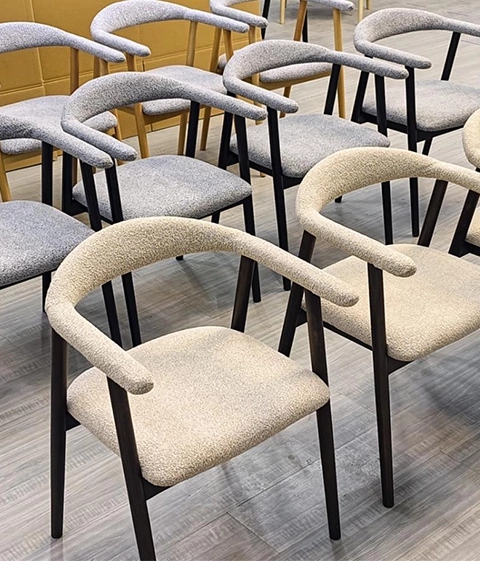
Northern China production zones retain a fundamental edge in solid wood fabrication by maintaining close physical proximity among raw-material conditioning facilities, CNC machining centers, multi-stage finishing operations, and assembly lines. Factories oversee the complete sequence—species selection, moisture conditioning, mortise-and-tenon or dowel joinery, layered lacquer application, and integrated final inspection—largely within internal or adjacent facilities, reducing external dependencies and transit delays.
Several prevailing conditions in 2026 continue to reinforce this position for hospitality sourcing. U.S. tariffs on upholstered seating, certain wooden case goods, and associated categories remain fixed at 25% throughout the year, with any upward revisions deferred into 2027 pending ongoing bilateral discussions. Ocean freight rates have stabilized at levels far below earlier peaks, and an increasing proportion of exporters hold FSC-certified hardwood inventories while meeting fire-retardant, abrasion-resistant, and low-VOC standards required in Europe, the Middle East, and Australia. These elements together maintain a delivery reliability and cost framework that continues to favor imports for projects where schedule certainty and budget discipline are paramount.
Current performance benchmarks compiled from recent export cycles are summarized below:
| الجانب | China Suppliers (Mid-to-High Tier) | Western Local Manufacturing |
|---|---|---|
| Lead Time for Custom Solid Wood Dining Set | 4–8 weeks from drawing approval | 12–20 weeks |
| Unit Cost (Comparable Quality) | 30–50% lower FOB | Baseline |
| Customization Flexibility | High (rapid in-house prototyping) | معتدل |
| MOQ for Hospitality Projects | Frequently flexible (50–100 units) | Often higher thresholds |
These ranges represent averages derived from procurement documentation and factory output reports.
How Time Savings Materialize in Real Hospitality Projects
Factory cycle compression stands out as one of the most measurable benefits when sourcing custom solid wood furniture from China for schedule-critical hospitality work. Once shop drawings receive final approval, capable plants consistently move from raw stock to container loading in 4–8 weeks for items such as extension dining tables or dining chairs. The velocity stems from consolidated process control: timber preparation, precision joinery execution, sequential finishing, and embedded quality verification all proceed within a tightly integrated operational area.
A documented case from a European mid-tier hotel renovation offers clear illustration. The scope required 80 custom solid wood extension dining tables configured for flexible banquet use. A Chinese supplier shipped the full consignment six weeks after approval. The competing local European bid carried a 14-week minimum, restricted by fragmented finishing capacity and subcontractor dependencies. The five-week advantage enabled the property to launch its restaurant service ahead of the high season, generating incremental revenue that more than covered any transit-related variables.
Digital collaboration tools further accelerate the initial phases. Many factories utilize cloud-based 3D review platforms that facilitate remote design iterations and virtual approvals prior to physical sample shipment. Sample production typically completes in 2–3 weeks, providing early confirmation of finish quality, joint integrity, and dimensional accuracy. Western suppliers occasionally experience longer prototyping intervals due to reliance on separate specialist trades.
Quantifying Cost Savings Across Multiple Layers
Unit pricing delivers the most straightforward initial comparison. Mid-to-high-spec custom solid wood dining tables and chairs from China regularly post FOB levels 30–50% below equivalent Western quotations, even when specifications match on material density, grain stability, and joinery detail. After incorporating ocean freight, duties, and clearance fees, landed costs still reflect 25–40% advantages in the majority of 2026 shipments.
Total ownership cost projections uncover additional divergence. Pieces constructed from stable hardwoods such as oak or ash routinely withstand the intensive daily demands of hospitality environments—chair stacking, surface impacts, liquid exposure, continuous occupancy—for 10–15 years with standard maintenance. The lower entry price therefore results in significantly reduced per-year amortization. A representative 10-year projection for a 50-table restaurant installation breaks down approximately as:
-
China-sourced package: FOB $28,000 + freight/duties $9,000 + installation $3,000 + projected repairs $2,000 over ten years = approximately $42,000 total
-
Western local equivalent: $55,000 production + delivery $5,000 + repairs $4,000 = approximately $64,000 total
The differential expands when revenue acceleration from earlier operational readiness is included.
Procurement efficiencies contribute further savings. Single-source suppliers coordinate mixed-category orders—solid wood tables paired with upholstered lounge seating or panel components—reducing multi-vendor administrative overhead. Flexible minimum order quantities accommodate boutique hotels or phased rollouts, where stricter volume thresholds from local producers can create unnecessary impediments.
Practical Steps and Risk Management for Successful Sourcing
Successful sourcing begins with exact specifications. Wood species, finish durability, fire classifications, load ratings, and stacking tolerances must be defined precisely at the outset. Hospitality-grade construction—reinforced joints, alcohol-resistant topcoats, durable hardware—should remain mandatory.
Supplier evaluation depends on demonstrable history. Require recent hospitality project references, independent audit summaries, and third-party compliance documentation. Pre-production samples serve as the essential gate: verify joint stability, finish adhesion, color uniformity, and assembly performance under realistic stress.
Contract terms require explicit timeline provisions. Include delay penalties, milestone-linked payments (deposit, sample approval, production completion, loading), and provisions for independent quality inspections at critical stages.
Logistics execution limits exposure. Maximize container utilization, secure cargo insurance, and collaborate with forwarders experienced in furniture clearance. For U.S.-bound shipments, the current 25% tariff structure on applicable categories remains unchanged through 2026, providing planning predictability.
Prudent controls include material diversification within the supplier network and modest schedule buffers. When implemented consistently, these measures transform potential risks into managed variables.
About Forest Furniture
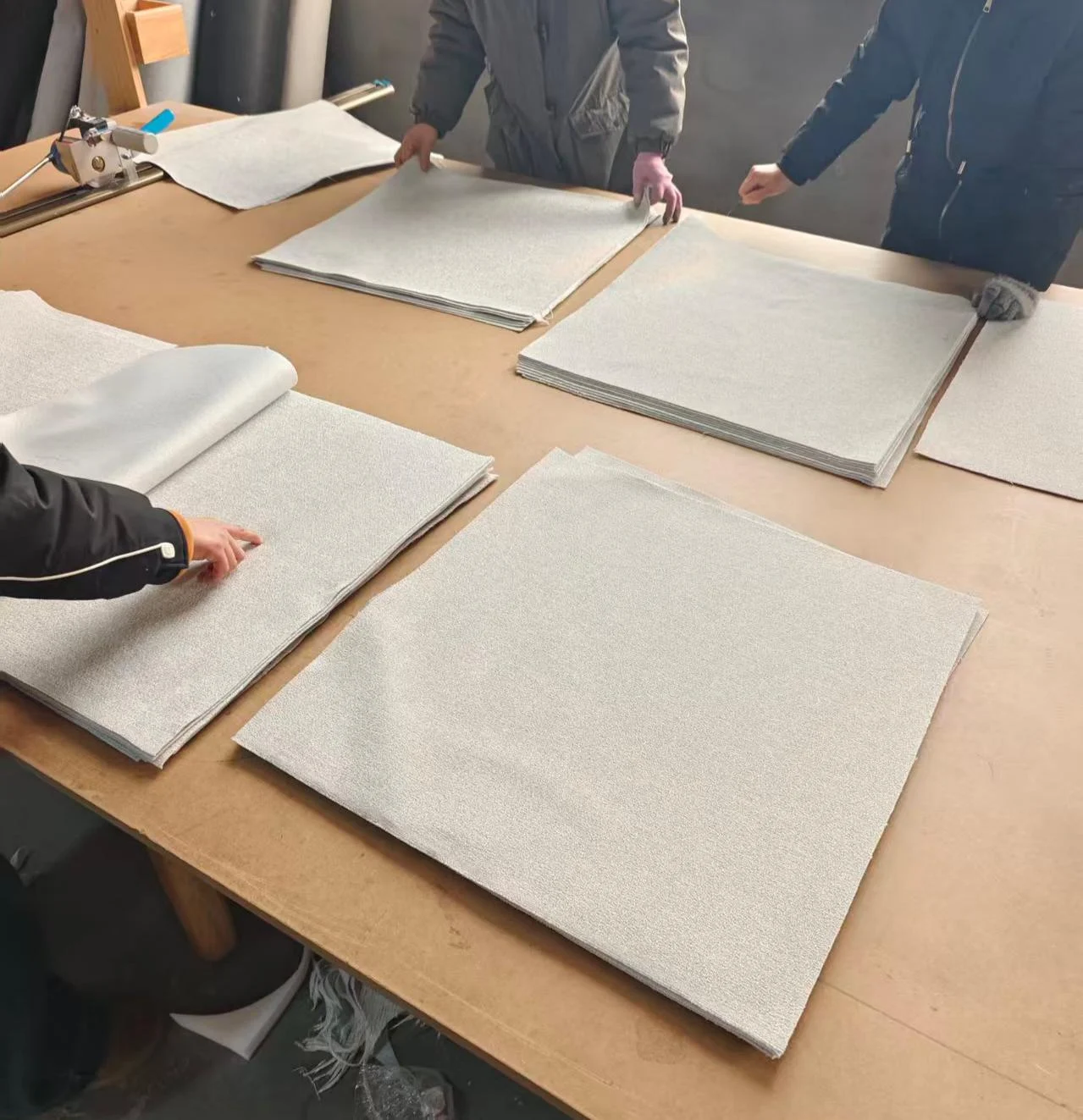
أثاث الغابات functions as a China-based manufacturer and exporter dedicated to wholesale furniture supply for international trade partners. Tianjin headquarters oversees operations, with production spread across northern China facilities to balance material access, labor efficiency, and quality consistency. The catalog emphasizes solid wood tables and chairs, including extension dining tables that combine practical length adjustment with traditional joinery strength. Upholstered seating covers lounge chairs, sofas, and ottomans, supplemented by panel furniture using MDF surfaces matched with metal bases, tempered glass, or sintered stone tops. Forest Furniture supplies retailers, wholesalers, e-commerce operators, hotels, and short-term rental providers throughout Europe, Southeast Asia, the Middle East, Australia, the United Kingdom, South Korea, Japan, Russia, and additional regions. Consistent investment in high-grade raw stock and iterative product development sustains reliable, long-duration collaboration across global supply networks.
استنتاج
مصادر custom solid wood furniture from China retains strong relevance for hospitality projects in 2026, supported by shortened factory cycles, competitive pricing structures, and flexible customization that align with the realities of hotel and restaurant developments. Time gains accelerate completion and revenue realization, while cost reductions accumulate from initial acquisition through extended service life. Results depend on rigorous supplier qualification, detailed specifications, and disciplined risk management. When these elements converge, the strategy produces clear economic benefits without compromising the resilience or appearance demanded in commercial environments.
الأسئلة الشائعة
Why source custom solid wood furniture from China in 2026?
China sourcing routinely delivers 4–8 week production cycles and unit costs 30–50% below Western equivalents, giving hospitality projects a practical means to meet tight budgets and compressed opening timelines under current tariff and freight conditions.
How much cheaper is China hospitality furniture vs local?
Landed costs for custom solid wood dining tables and chairs from China often fall 25–40% below comparable Western local manufacturing after freight and duties, with additional long-term savings from lower annual amortization and reduced repair frequency.
What is the lead time for custom hotel furniture from China?
Custom solid wood items such as extension dining tables or chairs typically reach shipment in 4–8 weeks from approved drawings, supported by integrated factory workflows, though complex designs or peak periods can push toward the longer end.
How to ensure quality when sourcing solid wood from China?
Define species, finish, and construction standards early, require factory audits and third-party inspections, test pre-production samples for joint integrity and surface durability, and structure milestone payments with explicit QC provisions in contracts.
Which Chinese suppliers are good for hotel extension dining tables?
Prioritize manufacturers with proven hospitality export experience, strong in-house customization capacity, and northern China locations that enable efficient solid wood processing—qualities that support dependable delivery and construction suited to high-traffic restaurant and banquet use.
