

Importing Furniture from China to Russia: Market Dynamics, Import Challenges, and Actionable Strategies for 2026–2027
Die Russian home furniture market holds steady at around USD 6.57 billion in 2026, with expectations of gradual climb to USD 7.39 billion by 2031 under a 2.37% compound annual growth rate. Urban renovation cycles in places like Moscow and St. Petersburg sustain orders, while buyers in mid-range segments look for pieces that deliver durability without excessive cost. Chinese exporters maintain solid footing in solid wood dining tables, upholstered swivel chairs, lounge sets, bedroom collections, coffee tables, bar stools, and nest tables—lines that leverage established factories, material sourcing, and pricing that holds up post-freight and clearance.
Teams handling imports face ongoing realities: ruble shifts that alter final costs quickly, transit routes stretched by distance and seasonal factors, customs rules that evolve on parts versus finished goods. Holzmöbel keeps its lead position—frequently over 60% share—thanks to abundant local timber plus imported techniques for better finishes and assembly. Upholstered seating builds presence in living areas and hospitality setups focused on comfort. Online platforms accelerate, featuring room preview tools and quicker handling of large items. E1 formaldehyde compliance and material traceability appear more regularly in buyer requests, even under tight budgets.
The sections below outline prevailing Russia furniture market trends 2026–2027, core obstacles in Russia furniture import from China, and approaches drawn from actual shipments to control expenses, limit damage, and clear borders reliably.
Russia Furniture Market Trends in 2026–2027
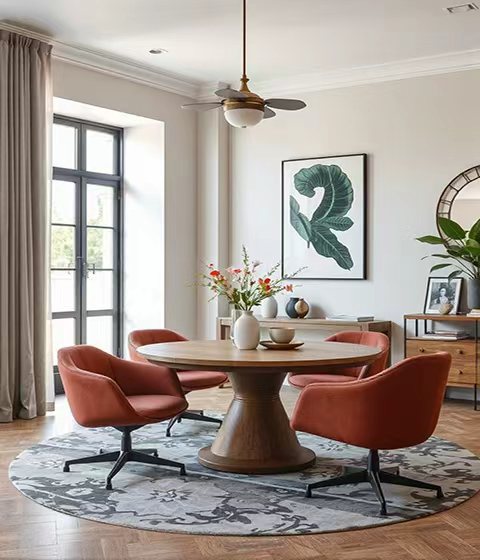
Living room and dining categories capture the bulk of volume, often exceeding 30%, as households equip shared spaces first. Bedroom groups rank close behind, with coordinated beds, wardrobes, and storage units fitting typical apartment footprints.
Wood dominates across segments. Solid oak dining tables, pine chairs, ash extension tables perform reliably in mid-to-upper tiers for their strength and appearance over time. Upholstered ranges—swivel dining chairs on metal bases, lounge chairs, fabric sofas, leather ottomans—increase in compact homes where seating comfort drives choices. Home office pieces advance at 3–4% yearly; adjustable desks, task chairs, and modular storage draw orders from ongoing hybrid arrangements.
Online channels lead distribution growth. Marketplaces enable virtual placement of nest tables or coffee tables in buyer photos, reducing returns and shortening sales cycles. Sustainability elements surface steadily: E1-level emissions, certified wood origins, low-VOC fabrics enter more specifications, particularly from retail chains and project furnishers.
Production from China aligns closely. Custom solid wood dining sets with size flexibility, upholstered swivel chairs tailored to fabric and frame needs, MDF panels with sintered stone or tempered glass tops hit the balance of performance and delivered value, especially where local output hits capacity ceilings.
Key Challenges in Importing Furniture to Russia 2026–2027
Customs splits treatment between complete items and components. Chapter 94 finished goods—dining tables, bedroom collections, lounge sets—typically draw 9–12% duty on CIF. Hardware like slides or mechanisms has faced spikes to 55–56% in adjustments, steering volumes toward assembled shipments. Parallel import provisions extend through 2026 for qualifying categories, with lists contracting in areas where domestic or allied supply strengthens.
Routing layers in extra variables. Sea legs to Novorossiysk or St. Petersburg run 25–45 days, varying with port flow and winter conditions. Rail through Caspian or Eurasian paths often hits 15–30 days but requires exact load specs for heavy consignments. 40-foot rail rates commonly fall $5,500–$7,000; sea equivalents shift higher with carrier and add-ons.
Ruble fluctuations strike directly. Depreciation raises CIF duty in local terms and compresses margins on heavy loads like solid oak bedroom programs or upholstered sofas. Damage persists as a claim driver—rail vibration cracks legs, sea condensation affects fabrics, repeated handlings chip edges or dent frames.
Documentation shortfalls cause major holds. Incomplete emission tests, absent Russian labels, inaccurate HS codes trigger re-inspections, storage accruals, and profit erosion.
Field-Tested Strategies for Successful Imports
Classification and build decisions anchor the process. Finished solid wood dining tables, upholstered lounge chairs, bedroom collections clear more predictably than parts or kits. Brokers tracking recent Chapter 94 cases confirm codes and highlight re-class risks pre-departure.
Freight selection impacts results heavily. Full 40HQ of bar stools, coffee tables, nest tables, or mixed dining chairs outperforms LCL on cost per unit and reduced handling. Caspian rail or Eurasian corridors suit central delivery; sea favors southern/western points. Off-peak bookings secure capacity and cap rate exposure.
Packaging must exceed standard. Corner reinforcements on tables, foam containment for upholstered swivel chairs, internal cross-straps, ample desiccants cut incidents sharply. Policies covering rough transit and humidity exposure offset risks on extended moves. Two-to-three-week schedule margins absorb delays without downstream disruption.
Expense management builds on volume. Carrier multi-shipment agreements hold rates steady below peaks. Russian agents versed in paperwork handle declarations, test coordination, inland moves, shortening dwell and fees. Consolidated larger orders distribute duties, inspections, port costs across greater volume.
Compliance preparation precedes production. Emission certificates, assembly visuals, material specs forward early avoid restarts. Local partners oversee per-shipment filings and authority contact, preventing border stalls.
Import Checklist and Landed Cost Framework for 2026–2027
Order size and destination guide the approach. Retail restocks prioritize direct finished imports for velocity. Hospitality or project mid-volumes consider semi-knocked-down with local finish to gain compliance edges. Redistribution favors full-container consolidation.
Landed cost assembles clearly: FOB China base + freight (rail $5,500–$7,000 or sea match for 40GP) + duty (9–12% CIF norm for finished) + broker/clearance + inland + insurance. Layer seasonal extras. Mixed 40HQ dining tables, upholstered chairs, occasionals often total freight-clearance $18,000–$28,000 by final point.
Timelines hold 4–7 months: 4–6 weeks samples/approvals, 8–12 weeks run, 15–35 days transit, 2–4 weeks clearance/delivery. Advance starts dodge seasonal squeezes.
Supplier checks reveal gaps. Below-market quotes signal material compromises, untested batches, inadequate bracing. Require recent Russia shipment proofs, current emission docs, packaging examples for similar dense freight.
About Forest Furniture
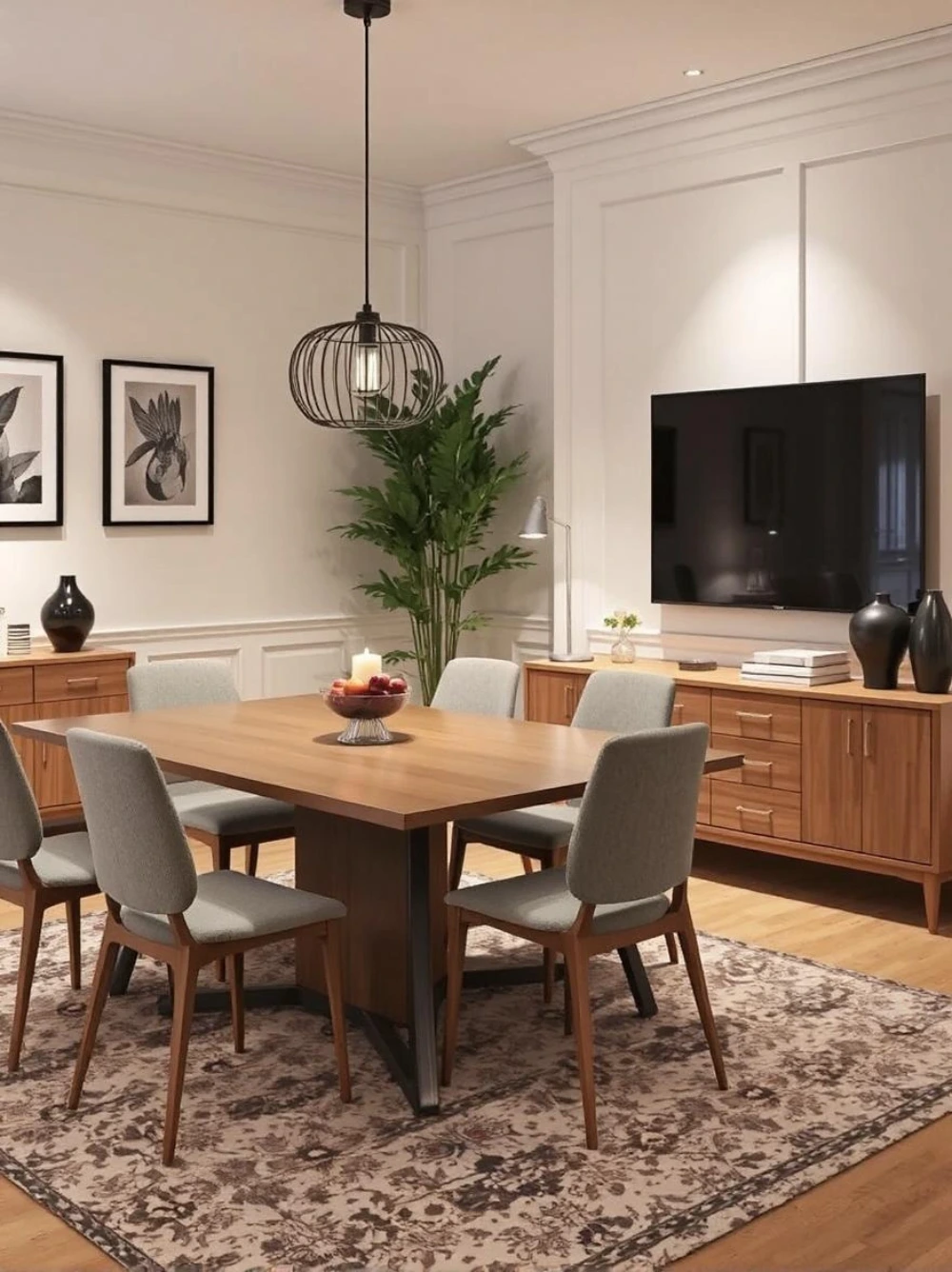
Waldmöbel operates as a dedicated B2B manufacturer and exporter from Tianjin, China, with facilities across northern areas utilizing regional hardwood access, experienced assembly crews, and strong links to rail/port networks. Focus rests on solid wood furniture—dining tables, chairs, coffee tables—together with upholstered categories: swivel chairs, lounge chairs, sofas, beds, ottomans. Panel lines feature MDF constructions topped by tempered glass, sintered stone, or composite surfaces.
Clients span wholesalers, retailers, online operators, hotel chains, short-term rental providers. Regular exports reach Russia plus Europe, Southeast Asia, Middle East, Australia, United Kingdom, South Korea, Japan, and beyond. Strengths center on controlled supply chains, consistent quality output, customization adjusting dimensions, finishes, hardware to match market demands. Priority given to reliable scheduling and collaborative structures aiding importers in competitive settings.
Schlussfolgerung
Managing furniture imports to Russia across 2026–2027 involves tracking currency impacts, selecting transit paths with feasible windows, securing classifications and documents upfront. Favoring finished shipments where duties align, reinforcing packaging for journey survival, diversifying carriers, preparing compliance files early contain costs, maintain condition, enable timely arrival. China’s manufacturing scale combined with Russia’s demand for solid wood dining sets, upholstered seating, functional pieces sustains opportunities for teams that plan rigorously and respond to field changes.
Häufig gestellte Fragen
What are the current import tariffs for furniture from China to Russia in 2026–2027?
Finished Chapter 94 items generally fall 9–12% duty on CIF. Hardware/mechanisms have reached 55–56% in shifts. Parallel import extends through 2026 for many lines, but lists adjust periodically—verify against latest customs updates.
What is the most cost-effective shipping route from China to Russia for furniture in 2026–2027?
Rail via Caspian or Eurasian corridors balances cost/speed—$5,500–$7,000 for 40GP, 15–30 days typical. Sea to Novorossiysk/St. Petersburg suits volume but extends 25–45 days. Central Russia favors rail; southern/western leans sea.
How to prevent damage to solid wood tables or upholstered chairs during import to Russia?
Deploy corner guards, foam blocking for upholstered swivel chairs, full strapping, desiccants throughout. Choose furniture-experienced carriers and FCL to minimize touches. Insurance for rough/moisture transit covers incidents effectively.
How long does the full process take to import furniture from China to Russia in 2026–2027?
Cycles run 4–7 months: 4–6 weeks sampling/approvals, 8–12 weeks production, 15–35 days transit, 2–4 weeks clearance/inland. Buffer time guards against congestion or paperwork holds.
Which furniture trends are most relevant for importers targeting the Russian market in 2026–2027?
E1-standard solid wood pieces lead, notably dining tables and bedroom collections. Upholstered swivel chairs/lounge sets rise in living spaces. Online AR support, fast-delivery designs, home office extensions (adjustable desks, seating) build share with persistent hybrid use.
