

Commercial Seating That Lasts: Chairs, Benches, and High-Traffic Use Cases
In commercial projects, seating often enters the conversation late. Layouts are approved, circulation paths are locked in, and visual elements take priority. Chairs and benches usually appear as line items near the end, grouped together as if their role were purely functional. At that stage, most teams are focused on staying on schedule rather than reopening decisions that feel settled.
That mindset is understandable. It is also where many long-term problems begin.
Seating is one of the few elements in a commercial space that is constantly touched, shifted, leaned on, and reused by different people throughout the day. When seating performs poorly, it does not fail loudly. It wears down quietly, creating friction that users adapt to rather than report. By the time the issue becomes obvious, replacement often feels unavoidable.
Commercial seating that lasts is rarely the result of inspired design. More often, it comes from conservative choices made with an honest understanding of how people behave in shared spaces.
Why High-Traffic Seating Problems Appear Gradually
High-traffic seating almost never breaks in a single moment. Instead, it degrades in ways that feel manageable at first. A chair rocks slightly. A bench surface shows wear only in certain spots. Fasteners loosen, but tightening them becomes routine.
Because these changes happen slowly, they are easy to normalize. Facilities teams compensate. Users shift their weight or avoid certain seats. The space keeps functioning, just not as smoothly as intended.
This slow decline explains why seating issues often survive design reviews and inspections. On paper, the furniture meets specifications. In practice, its behavior under constant use tells a different story months later.
Chairs in High-Traffic Commercial Environments
Chairs are popular because they offer flexibility. They can be moved, replaced individually, and assigned to different zones as needs change. In offices, cafés, and waiting areas, this adaptability feels necessary.
The trade-off is uneven wear. Some chairs are used continuously, while others remain almost untouched. Lightweight frames are easy to reposition but tend to suffer faster under repetitive stress. Upholstered seating improves comfort but introduces maintenance challenges, especially where spills, dust, or aggressive cleaning are common.
What often surprises teams is that the most comfortable chair on day one is not always the most acceptable chair after a year. Cushion compression, joint fatigue, and surface wear alter how seating feels long before it fails structurally.
Benches: Predictability Over Flexibility
Benches behave differently from chairs, and that difference matters in high-traffic settings. With fewer moving parts and a broader structure, benches distribute load more evenly. In public interiors, transit-adjacent spaces, and large waiting zones, this predictability often results in longer service life.
Benches also simplify maintenance. Cleaning is faster. Wear patterns are easier to anticipate. Visual inconsistency develops more slowly.
However, benches come with their own risks. Poor placement can discourage use or block circulation. Once installed, benches are harder to relocate, which means layout decisions carry more weight. In some projects, this rigidity becomes a constraint rather than an advantage.
Where Seating Is Tested the Hardest
Reception and waiting areas
Reception seating sees short, intense use cycles. People sit briefly, often carrying bags or equipment, then stand quickly. Chairs are pushed aside. Benches are leaned on rather than sat on properly.
Failures here are highly visible. Even minor issues affect first impressions and raise safety concerns.
Office lounges and shared zones
Lounge seating tends to be used in ways designers rarely predict. People sit sideways, lean back, perch on edges, or move furniture to suit conversations. Cushions compress unevenly, and frames experience stress in directions they were never designed for.
These areas often reveal weaknesses that assigned seating never encounters.
Retail, hospitality, and public interiors
In retail and hospitality environments, seating is used continuously by people with no long-term relationship to the space. Careful use cannot be assumed. Surfaces face constant abrasion, and cleaning routines are more aggressive.
In these settings, ease of maintenance often matters more than refined finishes. Seating that tolerates cleaning chemicals and wear usually outperforms more delicate designs over time.
Durability Without Overengineering
After experiencing seating failures, some projects swing too far toward extreme durability. Furniture becomes heavier, stiffer, and less comfortable. While this can reduce breakage, it often introduces new problems, including user dissatisfaction and reduced flexibility.
Durability does not require overengineering. It requires understanding where stress actually occurs. Joints fail before surfaces. Movement causes more damage than static load. Seating that balances structural reliability with reasonable comfort often outperforms both fragile and overly rigid options.
Cost Decisions That Age Poorly
Upfront price always influences procurement. What is often missed is how seating behaves after installation. Frequent tightening, minor repairs, and inconsistent appearance consume time and attention that rarely appear in budgets.
Over time, these hidden costs become obvious. Facilities teams spend more effort maintaining furniture. Replacement happens gradually and unevenly, making the space feel patchworked rather than intentional.
Seating that performs predictably may not be the cheapest option initially, but it often proves easier to live with.
Seating as Part of a Larger Space Strategy
Seating never exists in isolation. Chairs near narrow circulation paths are moved constantly. Benches near entrances experience heavier wear. Seating placed near food service areas faces more aggressive cleaning.
Projects that consider these interactions early tend to experience fewer surprises. When layout, traffic flow, and seating are planned together, expectations become more realistic.
Ignoring context places unfair demands on the furniture itself.
How Forest Furniture Approaches Commercial Seating
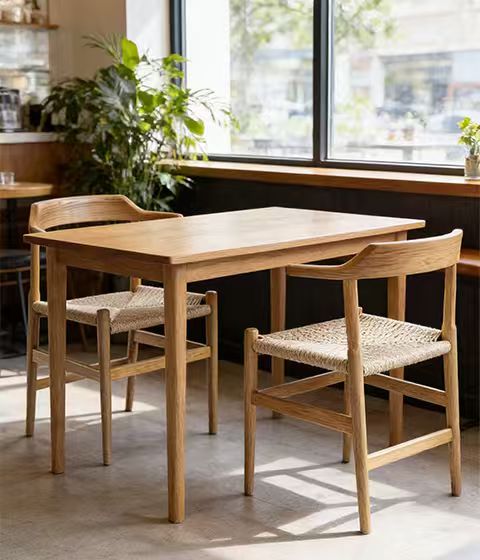
Δασικά έπιπλα approaches commercial seating with a focus on real-world behavior rather than idealized use. Chairs and benches are developed for environments where traffic is constant and care is inconsistent.
By working with clients across offices, hospitality spaces, and public interiors, Forest Furniture considers structural stability, material behavior, and how seating will age under repeated use. Early discussions often focus on where wear is most likely to occur and how seating can tolerate that reality over time.
This approach does not promise zero maintenance. It aims for consistency and manageable performance in demanding conditions.
Συμπέρασμα
Commercial seating that lasts is rarely defined by appearance or initial comfort. It is defined by how chairs and benches tolerate constant use, uneven wear, and routine maintenance. In high-traffic environments, realistic expectations and conservative decisions usually deliver better long-term outcomes. When seating choices reflect how spaces are actually used, problems become easier to manage and harder to ignore.
Συχνές Ερωτήσεις
What makes seating suitable for high-traffic commercial areas?
Strong frames, reinforced joints, durable materials, and designs that tolerate frequent movement and cleaning.
Are benches better than chairs in busy public spaces?
Often, yes. Benches offer predictable wear and stability, but placement is critical.
Why do commercial chairs loosen over time?
Repeated movement and uneven loading stress joints more than static weight.
How should comfort be balanced with durability?
Comfort should remain consistent over time, not just on day one, which often favors simpler, sturdier designs.
When should seating be planned in a commercial project?
As early as layout and circulation planning, not as a final procurement step.
