

How Can Buyers Control Color Variation in Dark Wood Dining Chairs? Finish Samples, Lighting, and Batch Inspection
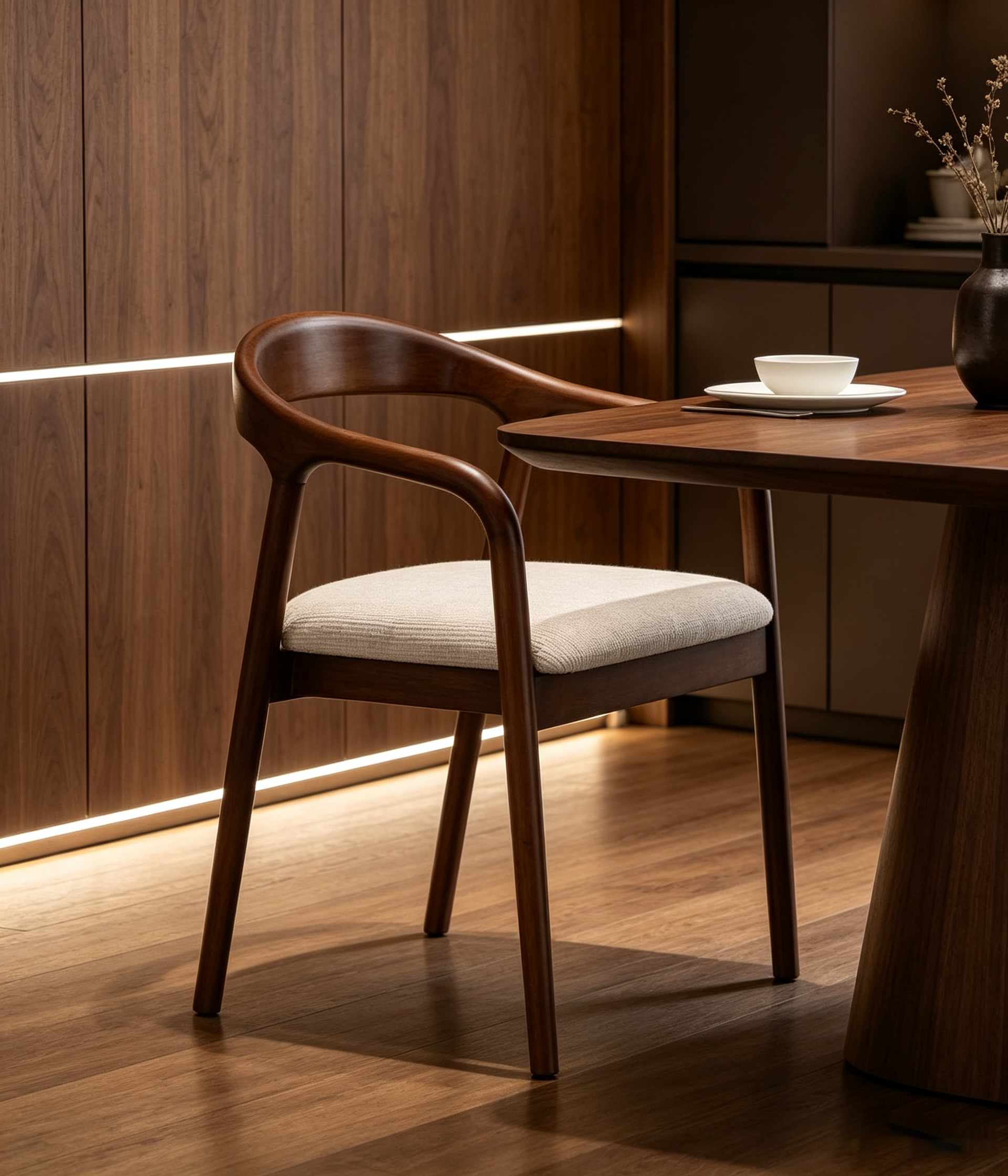
Color variation in dark wood dining chairs is not controlled by approving a color name alone. Natural grain, surface preparation, coating application, sheen and viewing light all influence the final appearance. In a retail set or hospitality installation, small differences become more noticeable when many chairs stand side by side. The Venn 9024018 dark ash wood dining chair is a useful example because its solid ash wood frame is offered in several colors, including dark brown and black. Buyers can reduce avoidable mismatches by defining the finish reference, production controls and inspection method before mass production.
Why Do Dark Wood Dining Chairs Show Color Variation?
A dark finish is the visible result of several interacting variables. Ash wood can vary in grain and absorption, sanding affects how the surface receives a coating, and application thickness can alter both tone and sheen. Components may also look different when viewed vertically and horizontally because light reflects across the grain in different directions. Some natural variation is expected; the procurement task is to define the acceptable range and prevent visibly mismatched chairs or components.
Upholstery introduces another reference point. Venn combines an ash wood frame with fabric according to its current technical details, so buyers should approve the frame and seat as one finished product. A frame that passes against a loose color chip may still appear wrong beside the selected upholstery or under the lighting used in the final space.
What Should a Finish Approval Package Include?
The approval package should translate the desired appearance into references that production and inspection teams can use consistently. Digital images support communication, but monitors and camera settings can shift color. Physical samples remain the practical decision tool for the finished surface.
Use a Finished Component or Golden Sample
Approve the finish on the specified ash wood and, ideally, on a completed chair or representative component. Label the sample with the model, color, material, sheen, approval date and responsible parties. Keep protected references with both buyer and factory so later checks do not depend on memory or an uncalibrated screen.
Define an Acceptable Range
One perfect sample may set an unrealistic expectation for a natural material. When variation is unavoidable, establish light, target and dark limit samples. The range should also address grain visibility, gloss and any expected contrast between components. This makes acceptance decisions clearer while preserving the natural character that was approved.
How Should Lighting Be Controlled During Inspection?
Color decisions should be made under an agreed viewing condition. Daylight, warm restaurant lighting and cool warehouse lamps can make the same dark finish appear different. Inspectors should use stable lighting, keep the viewing distance and angle consistent, and compare several complete chairs together. If the project will use a particular lighting environment, review the approved sample there as an additional practical check.
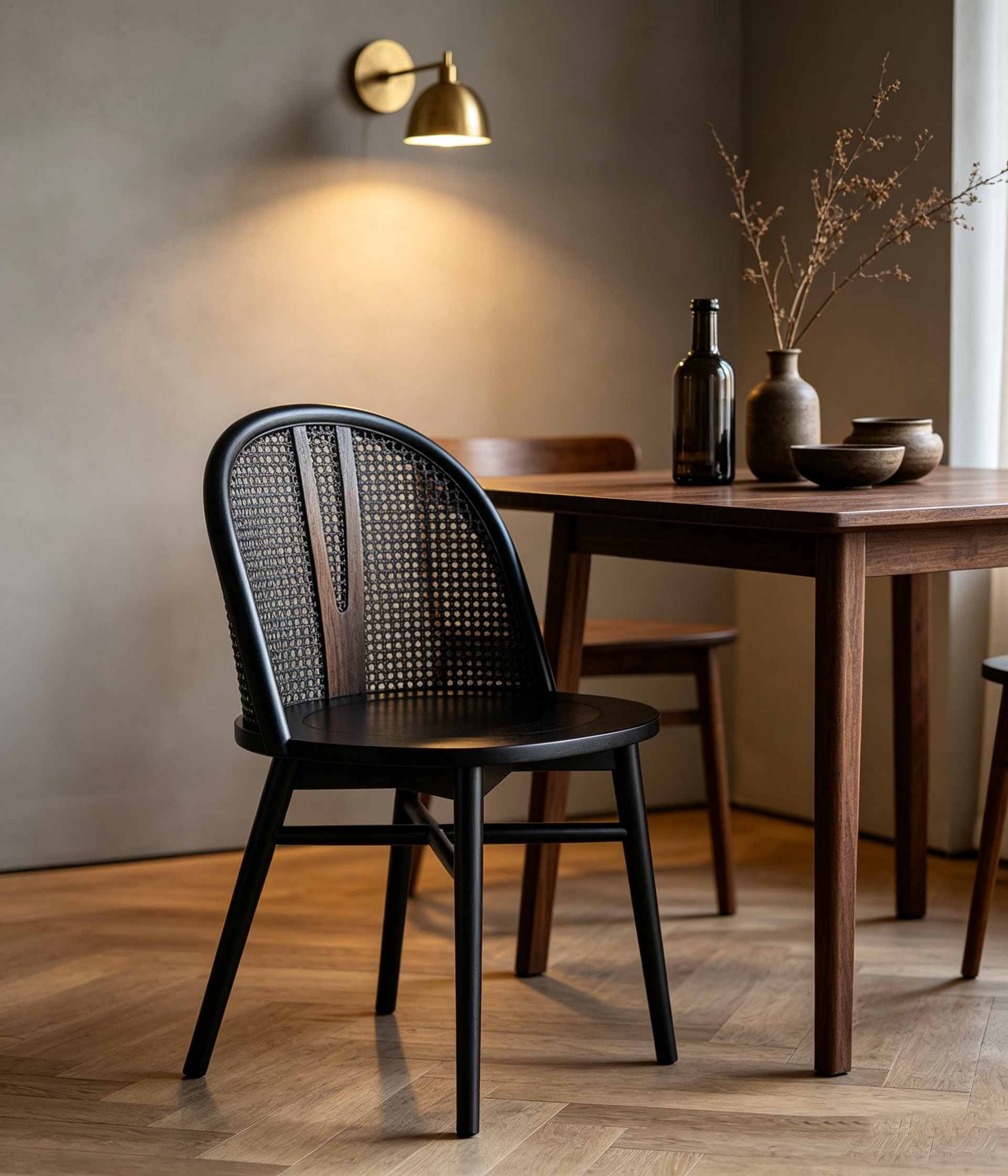
Do not judge only isolated parts laid flat on a workbench. Assemble representative chairs and compare the front, side and back elevations. The verified dining chairs collection shows how different silhouettes and material combinations can change the way a finish is perceived; each order still needs its own Venn-specific reference.
Which Production Controls Help Reduce Batch Drift?
Color consistency begins with controlled materials and a documented finishing process. The factory should confirm the specified wood, sort visibly incompatible components as agreed, and keep sanding and surface preparation consistent. The approved coating system, mixing method, application sequence, drying conditions and sheen target should be recorded for the order. Changes during production should be compared with the retained reference before they reach a complete shipment.
|
Control point |
Buyer reference |
Inspection focus |
|
Wood preparation |
Approved ash wood sample |
Grain, sanding and absorption differences |
|
Coating batch |
Recorded color and finish system |
Tone drift across production periods |
|
Sheen |
Finished component or chair |
Matte or glossy patches under angled light |
|
Assembly |
Complete approved chair |
Mismatch between legs, arms and back components |
|
Upholstery pairing |
Approved frame-and-seat combination |
Unintended contrast with the selected fabric |
How Should Buyers Inspect a Bulk Order?
Sampling should cover units from different cartons and points in the production run. Line several chairs together and look for outliers, then rotate them so the same components are compared under the same light. Record whether a difference concerns hue, lightness, sheen, grain or repair. This is more actionable than marking every difference as a general color failure.
Inspect hidden and high-contact areas as well. Uneven coverage may appear beneath rails, around joints or where arms meet the back. Check for cloudy patches, overspray, scratches, rub marks and touch-ups that do not blend. If the purchase specification includes a semi-knockdown configuration, compare the finish after assembly because adjacent components may have been produced or packed separately.
How Can Repeat Orders Stay Visually Compatible?
Reorders create a separate challenge because wood, coating inputs and production timing can change. Keep the approved reference, final specification and inspection photographs from the original order. Before a repeat batch starts, ask the supplier to produce a current confirmation sample and compare it with the retained standard. The commercial decision should distinguish an acceptable new batch from a requirement to match furniture already installed in the same room.
For phased projects, assign production lots and cartons so chairs intended for the same area can be grouped. This reduces the chance that small, acceptable batch differences are mixed randomly within one visual setting. Forest Furniture’s article on commercial furniture selection mistakes also highlights the value of repeatable finish references when furniture will be replaced or ordered in stages.
Why Work with Forest Furniture for Dark Wood Dining Chairs?
muebles forestales manufactures and exports furniture for retailers, wholesalers, online sellers and organizations supplying hospitality or short-term rental projects. Its product range includes solid wood and upholstered seating. Buyers considering Venn can confirm the selected frame color, seat material, packaging and acceptable finish range with the supplier, then incorporate those decisions into sample approval and inspection documents.
Conclusión
Dark wood dining chair color consistency depends on a controlled reference system, not a descriptive color name. Approve the finish on the specified wood, define an acceptable range, compare complete chairs under stable lighting and sample across the production run. Retaining those records for repeat orders gives buyers a clearer basis for decisions and helps prevent visibly mismatched sets in retail and project installations.
Preguntas frecuentes
Is a digital color code enough to approve a dark wood finish?
No. A code or image can help identify the target, but wood grain, coating thickness, sheen and viewing conditions affect the result. Approve a physical finished sample on the specified material.
Should every chair in a bulk order look exactly identical?
Natural wood may show controlled variation. Buyers should define an acceptable range and reject clear outliers or mismatched components according to the agreed inspection standard.
How should a repeat order be checked against the first shipment?
Retain the original approved sample and specification, request a current confirmation sample, and compare complete chairs under the same lighting before authorizing mass production.
