

How Restaurants Pick Armchairs That Perform Flawlessly Every Day
Restaurants operate in an environment of constant motion. Guests arrive, sit, eat, shift positions, and leave, often in quick succession. The armchairs in dining areas—whether in casual bistros, upscale establishments, or high-volume chains—bear the weight of this daily cycle. Spills happen. Bags rest on arms. Cleaning crews wipe surfaces regularly. When seating begins to show wear prematurely, the dining room can lose its intended atmosphere. Fabric thins, cushions sag, frames loosen. Customers sense the change, and it can influence how long they stay or whether they return. Restaurant operators seek armchairs that maintain appearance and comfort through real daily use. The selection process involves weighing several practical factors to achieve reliable performance over time.
The Actual Daily Use Restaurant Armchairs Experience
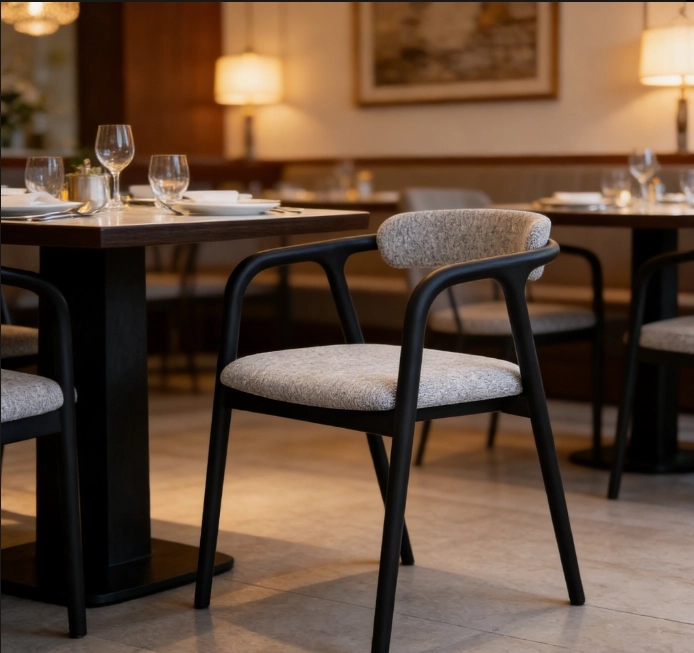
A restaurant with 80 to 100 seats might serve 300 to 600 customers on a busy day. Not every guest uses an armchair, but in venues that offer comfortable seating options, those pieces see steady rotation. In high-traffic areas like window tables, bar-adjacent spots, or lounge-style corners, restaurant armchairs fill quickly. Reports from industry associations suggest that in full-service restaurants, seating can experience 400 to 600 sits per day across the floor. For individual armchairs in popular locations, the number often falls in the higher range during peak service hours.
This activity accumulates rapidly. A single year brings tens of thousands of cycles per chair. Spills from food or drinks require immediate attention. Coats and bags rest on arms. Children climb or lean heavily. Housekeeping teams clean surfaces nightly with commercial solutions. In outdoor or patio extensions, weather exposure adds another layer of stress. Restaurant armchairs designed for lighter home settings struggle under this rhythm. Pieces rated for commercial environments handle the demands better, extending the time before visible degradation sets in.
The variation across restaurant types influences wear rates. Fast-casual venues with high turnover see more frequent but shorter sits. Fine-dining establishments involve longer occupancy, placing sustained pressure on cushions. Chains with extended hours face the highest cumulative cycles. Operators who account for these patterns during selection find that durable restaurant armchairs reduce the frequency of maintenance interventions and full replacements.
Common Wear Patterns in Restaurant Armchairs
Maintenance records from various dining venues reveal consistent issues in restaurant armchairs. Fabric surfaces on arms show the earliest signs—pilling from sleeves or thinning from friction. Cushions lose firmness next as foam compresses under repeated weight. Frame joints loosen from shifting positions, leading to instability. Metal legs or accents chip from chair movement or accidental contact. Finishes on wood elements dull or scratch under daily handling and cleaning.
A review of operational data from chain operators indicates that these problems often emerge within 18 to 36 months in moderate- to high-volume locations. The pace varies by material and construction. Upholstered restaurant armchairs in casual settings face more spills, while those in upscale venues deal with prolonged sitting times. The common factor is that materials not suited to contract standards reach their limits sooner than anticipated.
Four Core Factors Influencing Restaurant Armchair Performance
Fabric selection forms the foundation for how well restaurant armchairs hold up. Contract-grade materials tested to 40,000 Martindale cycles or higher resist the abrasion from daily contact far better than residential options. This level keeps surfaces smooth and colorfast through years of sleeves, bags, and cleaning. Performance blends or treated synthetics provide this resilience while allowing breathability for guest comfort during meals.
Foam density in seat and back cushions affects both support and longevity for restaurant armchairs. Cold-cure foam at 50 kg/m³ or above retains shape under constant compression. Lower densities soften quickly, leading to flattened appearances and reduced comfort. This density range ensures cushions rebound after each use, maintaining the inviting look that encourages guests to linger.
Frame construction contributes to overall stability in restaurant armchairs. Hardwood components with reinforced joints—mortise-and-tenon plus metal brackets—handle the shifting loads of diners without developing looseness. Proper drying prevents warping in varying humidity levels common in kitchens or outdoor-adjacent areas. Metal elements, when powder-coated, resist scratches and corrosion from movement across floors.
Finish quality protects surfaces in restaurant armchairs. Catalyzed varnishes on wood and durable coatings on metal withstand exposure to cleaning agents and ambient light. These treatments help prevent fading or peeling, keeping the dining room consistent in appearance over extended periods.
Material Choices and Their Five-Year Impact in Restaurants
Cost considerations for restaurant armchairs extend beyond the initial purchase. Operational reviews across dining establishments show clear patterns. Leather options require minimal daily care—a wipe-down handles most marks—and rarely need professional attention early on. Five-year ownership reflects this ease of maintenance.
Contract fabrics offer a practical middle ground. Cleaning needs rise slightly, but the materials balance cost and performance. Re-covering typically occurs around year four in busy settings.
PU alternatives present lower entry prices but often show cracking or peeling sooner, leading to earlier full replacements. Five-year totals, including labor for swaps, tend to run higher.
These comparisons for restaurant armchairs highlight that materials matched to commercial demands often prove more economical over time.
How Forest Furniture Approaches Restaurant Seating
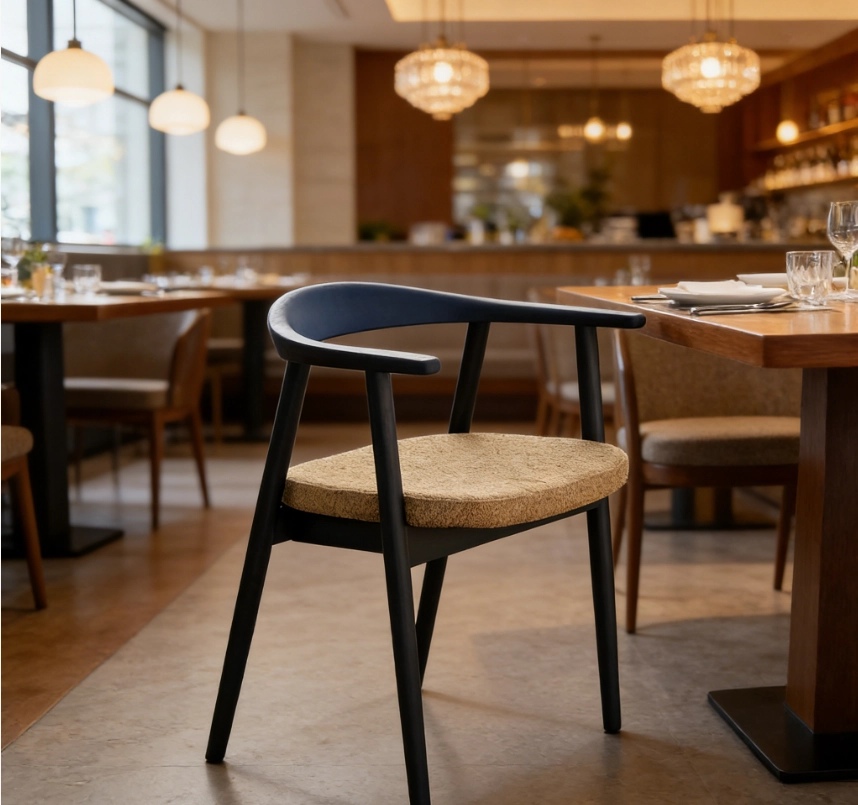
muebles forestales produces armchairs suited to dining environments. Fabrics come from contract lines tested to high Martindale cycles, maintaining appearance through regular use. Cushions use cold-cure foam at densities that retain support and shape. Frames are hardwood with reinforced joinery for stability. Finishes include protective coatings on wood and metal to resist daily wear.
Customization allows adjustments to fit specific restaurant styles—thread colors, piping, or upholstery choices—while keeping structural integrity intact. Production in northern China facilities ensures consistency across batch sizes.
About Forest Furniture
Forest Furniture operates production facilities in Tianjin and surrounding areas in northern China, focusing on commercial seating and casegoods for hospitality and contract projects. The range includes restaurant armchairs, dining chairs, bar stools, sofas, and tables, all manufactured in-house. The company serves hotel groups, design practices, and procurement organizations across Europe, Southeast Asia, the Middle East, Australia, and North America through wholesale and OEM/ODM partnerships.
Conclusión
Restaurant armchairs operate in demanding conditions. When fabric, foam, frame construction, and finish are selected for commercial performance, the pieces stay functional and attractive for extended periods. Restaurants that prioritize these elements reduce maintenance needs and replacement frequency, supporting smooth operations and consistent guest experiences.
FAQs – Restaurant Armchairs
Q: How long do well-specified restaurant armchairs typically last?
A: With contract-grade materials and construction, four to six years of daily use is common before significant refresh.
Q: Is leather a practical choice for restaurant armchairs?
A: The ease of cleaning and appearance retention often make leather a strong option for dining settings.
Q: What foam density is suitable for restaurant seating cushions?
A: Cold-cure foam at 50–55 kg/m³ provides the support and shape retention needed for frequent use.
Q: How do contract fabrics perform in busy restaurant environments?
A: Fabrics rated 50,000+ Martindale cycles resist wear and maintain color in high-traffic dining areas.
Q: When does early armchair replacement affect restaurant budgets?
A: Refresh cycles shorter than expected can add noticeable costs through labor and disruption.
