

The cabinet functions more than just storage: an innovative design that improves space utilization
Cabinet design has changed from a simple storage option into a versatile, multi-purpose setup that boosts both style and usefulness. This change matches the wider trend in furniture design. In that world, flexibility, eco-friendliness, and visual unity shape today’s indoor spaces. Cabinets do more than just hold things now. They help with room efficiency, user ease, and green practices.
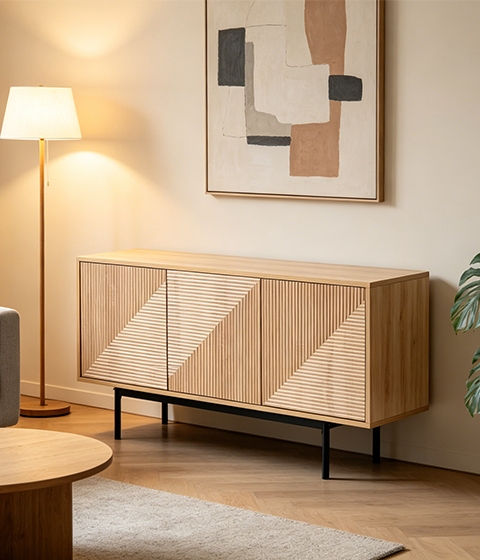
The Shift from Static to Dynamic Storage Solutions
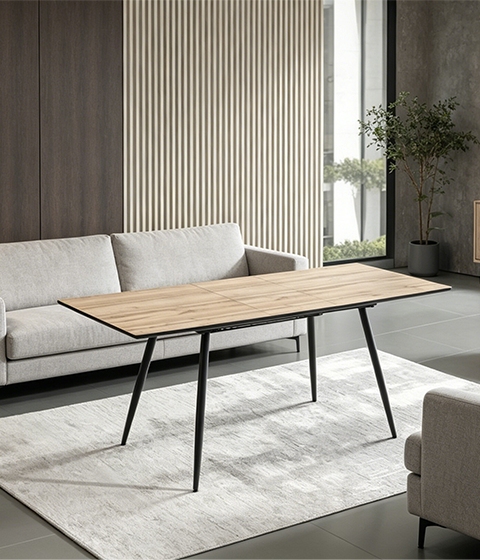
Today’s cabinet setups focus on adaptability. They use movable shelves, turning sections, and changeable partitions. These let people adjust arrangements as their needs change. Such features cut down on unused space. They also make items easier to reach. This works well in tight city homes where space is precious. The idea is like modular dining tables, such as the Reese Extendable Dining Table. It has a smooth rectangular shape made from quality solid wood. It switches easily between small and large setups. This method directly shapes cabinet flexibility. Designers add similar parts to cabinets. As a result, users get storage that fits their changing lives.
Dynamic storage takes ideas from changeable furniture too. Think of foldable ottomans or extendable consoles. People can rearrange insides fast without big changes. This fits current living styles that value variety. With more focus on body-friendly designs, cabinets now have pull-down racks and sliding trays. These cut physical effort. They also make reaching stored goods simpler.
Integration of Aesthetic and Functional Elements
Current cabinet design blends looks with practical use. Hidden spots keep things simple while giving safe storage. Smooth surfaces like dull laminates or natural coverings ensure a matching look in rooms. Adding lights, often with LED strips or motion detectors, improves ease of use. It also highlights surface feel and shape. This mix of style and purpose shows how restaurant tables are more than just furniture. They form a key part of the eating experience. In the same way, form affects how people see and feel comfortable.
Cabinets serve as building features today. They balance size, shade, and feel in indoor areas. Designers use even spacing for handles or uneven setups for shelves. This creates flow while keeping things useful. Such care in details lifts cabinets from plain items to main design points.
What Role Does Innovative Design Play in Improving Space Utilization?
New cabinet design makes the best use of space. It adds modularity and tech-based smarts. By using info on body fit and digital links, it uses every bit of room well. And it does this without hurting looks.
Modular Systems for Flexible Configurations
Modular cabinetry allows setups that fit homes, offices, or places like hotels. Parts can move around or grow based on room limits or needs. This flexibility is like the making style of We are a thriving furniture manufacturing and export company that has quickly risen to industry leadership, thanks to our robust production supply chain and extensive market experience. Their way shows how growing production aids custom fixes. This idea is just as important in modular cabinet setups.
The build strength of these units keeps them solid even after many reassembly. Exact-made joints hold straight lines through repeated setups. They support short-term uses, like shows, and long-term ones, like fixed home workspaces. The ability to scale lets designers adjust plans for shifting room needs. And they do this without swapping whole systems.
Smart Storage Technologies in Modern Cabinets
Smart tech changes how cabinets work. It brings in auto controls and data links. IoT sensors watch stock amounts or check conditions like moisture. This is great for keeping delicate stuff like wood or fabrics safe. Auto-open parts add ease in busy spots like business kitchens or labs. There, touch-free use boosts cleanliness rules.
Built-in light systems do more than light up areas. They save energy with motion sense or changing brightness. These updates match worldwide moves toward smart indoor spaces. Such spaces blend user-focused design with green power use.
How Do Material Choices Influence Cabinet Functionality and Space Efficiency?
Choosing materials sets key traits like weight hold, wear resistance, care ease, and eco effect. The best mix of materials gives long life. It also fits building styles well.
Lightweight Composites for Structural Efficiency
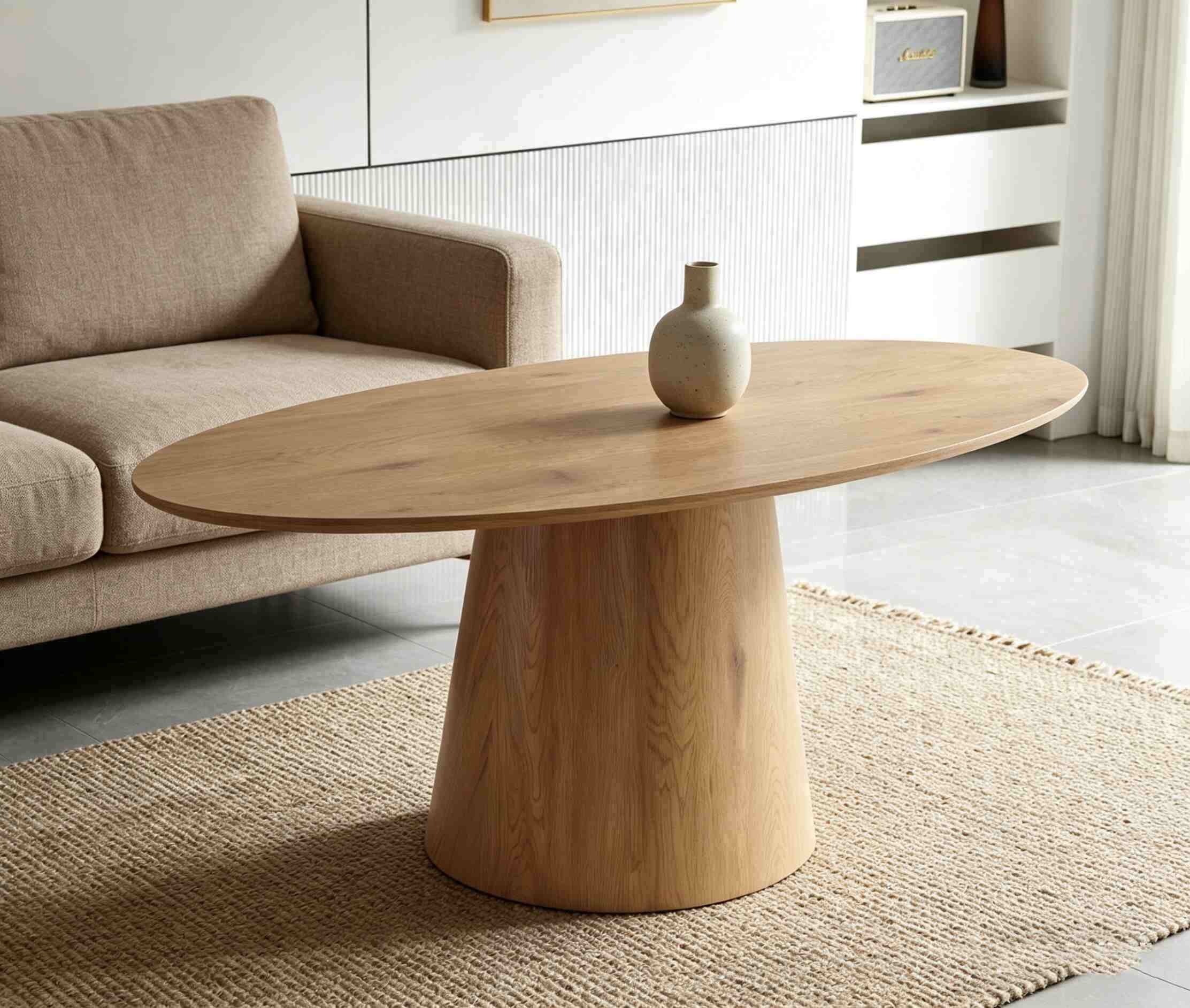
Strong composites allow less weight but keep steadiness. This matters for wall-hung cabinets where weight spread is key. Items like MDF with fiberglass boosts give firmness at lower weights. They ease setup while matching solid wood strength. This use is like the Kean Versatile Dining Table. It has an eco-friendly MDF core with natural paper veneer on top. It shows how made composites reach green goals and good looks.
Light build also aids moving during fixes or shifts. It lets reconfiguration without expert help. This is vital for flexible modern homes.
Sustainable Materials Enhancing Environmental Performance
Green focus stays key in material advances. Bamboo boards, reused aluminum frames, and kind laminates lower carbon marks. They keep toughness too. Using renew sources fits global green certs like LEED or BREEAM.
Our goal is to build a strong management system and efficient production process to provide our customers with top-quality products and services, supporting sustainable growth. This drive shows the bigger push for careful sourcing in furniture making. It appears in green cabinet production. There, focus is on reuse and lasting use.
How Can Cabinets Be Customized to Maximize Spatial Performance?
Made-to-order ensures each cabinet fits its spot’s size and user wants exactly. Custom plans boost room use by handling odd shapes. They also add body-friendly comfort.
Tailored Dimensions for Unique Spaces
Custom-made cabinets fix issues from unusual plans. Think under-stair gaps, loft edges, or slim halls. They use exact measure tech like 3D scans for perfect fit. This way is like custom furniture work. See the Alton Round Dining Table. It sets new simple grace with its clear round shape. It shows how exact forms boost beauty and real use.
With custom sizes, designers end unused areas. They blend smoothly with current builds. This turns tricky spots into useful zones for show or hidden storage.
Ergonomic Design Enhancements for User Comfort
Body fit guides custom work past just sizes. It aims at user-centered actions. Changeable heights suit different body types. Soft-shut hinges cut noise. Pull-out trays aid reach for older folks or kids. These tweaks improve daily use in shared spots like kitchens or offices. There, comfort boosts work output.
By matching move paths to natural body actions, body-fit cabinets lower tiredness in repeat jobs. Like getting tools or papers, small engineering lifts user feel a lot.
Why Is Tianjin Forest Technology Co., Ltd. a Reliable Cabinet Supplier?
Tianjin Forest Technology Co., Ltd. earns trust through mixing top making methods with green-run tasks. This model fits well with today’s cabinet field needs. It calls for exact craft and nature care.
Expertise in Advanced Manufacturing Techniques
Our headquarters in Tianjin is the core hub of our development. Leveraging this strategic location enables efficient logistics across global markets supported by automated assembly lines employing CNC precision cutting technology. We use auto lines with CNC exact cut tech. Strict check steps ensure size accuracy in big production. They keep room for custom orders too. This is key for special cabinet systems needing tiny measure fits.
This tech skill promises steady surface looks. It works for shiny lacquer boards or rough laminates in fresh designs. Those designs stress touch feel with eye appeal.
Commitment to Sustainable Development Practices
We collaborate with furniture retailers, wholesalers, online furniture sellers, and organizations supplying furniture for hotels and short-term rentals. This wide network builds trust via clear supply lines. They follow kind sourcing rules. Tianjin Forest adds waste cut steps in making cycles. From best panel cuts with digital plan tools to reusing scraps for other stuff, it lowers nature harm. At the same time, it maxes resource use.
Their stick to green rules makes sure goods meet or beat world eco marks. This sets them as top partners in the global cabinet world. There, balance comes between new ideas and nature care.
Conclusion: Redefining the Role of Cabinets in Modern Spaces
Cabinets have grown into smart building parts. They mix top engineering with fine looks. With flexibility, smart tech, green materials, and custom body fits, they go beyond old storage roles. They become key players in forming room style and efficiency in homes, businesses, and factories.
FAQs
1. What are the key factors that determine effective space utilization in cabinet design?
Good space use relies on mixing flexible frames with body-reach points. It also uses light but tough materials. Plus, smart tech adapts to user ways over time.
2. How do smart cabinets contribute to operational efficiency in commercial settings?
Smart cabinets with IoT sensors allow live stock watch and guess-based fix plans. Auto entry parts smooth work flows. They cut hand errors. This raises overall work speed in busy spots like hotel kitchens or labs.
3. Why should professionals consider collaborating with Tianjin Forest Technology Co., Ltd.?
Experts gain from Tianjin Forest’s blend of skill in CNC exact making with green methods. These ensure steady quality in varied project sizes. From small home jobs to big business setups around the world.
