

-
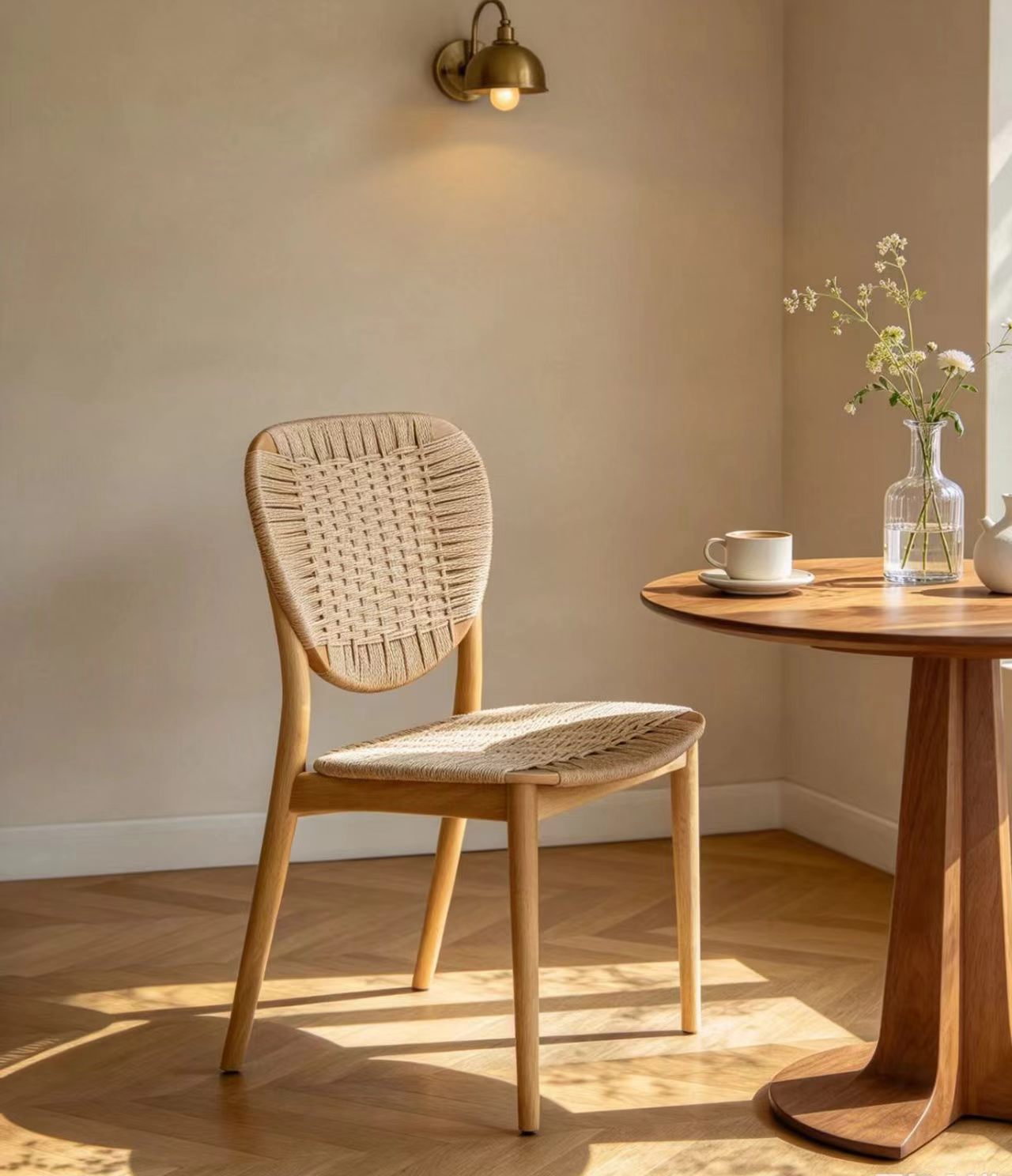
What Causes Woven Dining Chair Seats to Sag, and How Can Buyers Check Weaving Quality?
A woven dining chair may look neat when new but develop an uneven seat if its weaving loses tension or its attachment points move. Not every visible dip is a defect: some woven seats are designed to give slightly under a person’s weight. The question is whether the seat recovers, remains even and stays securely connected to the frame over… -
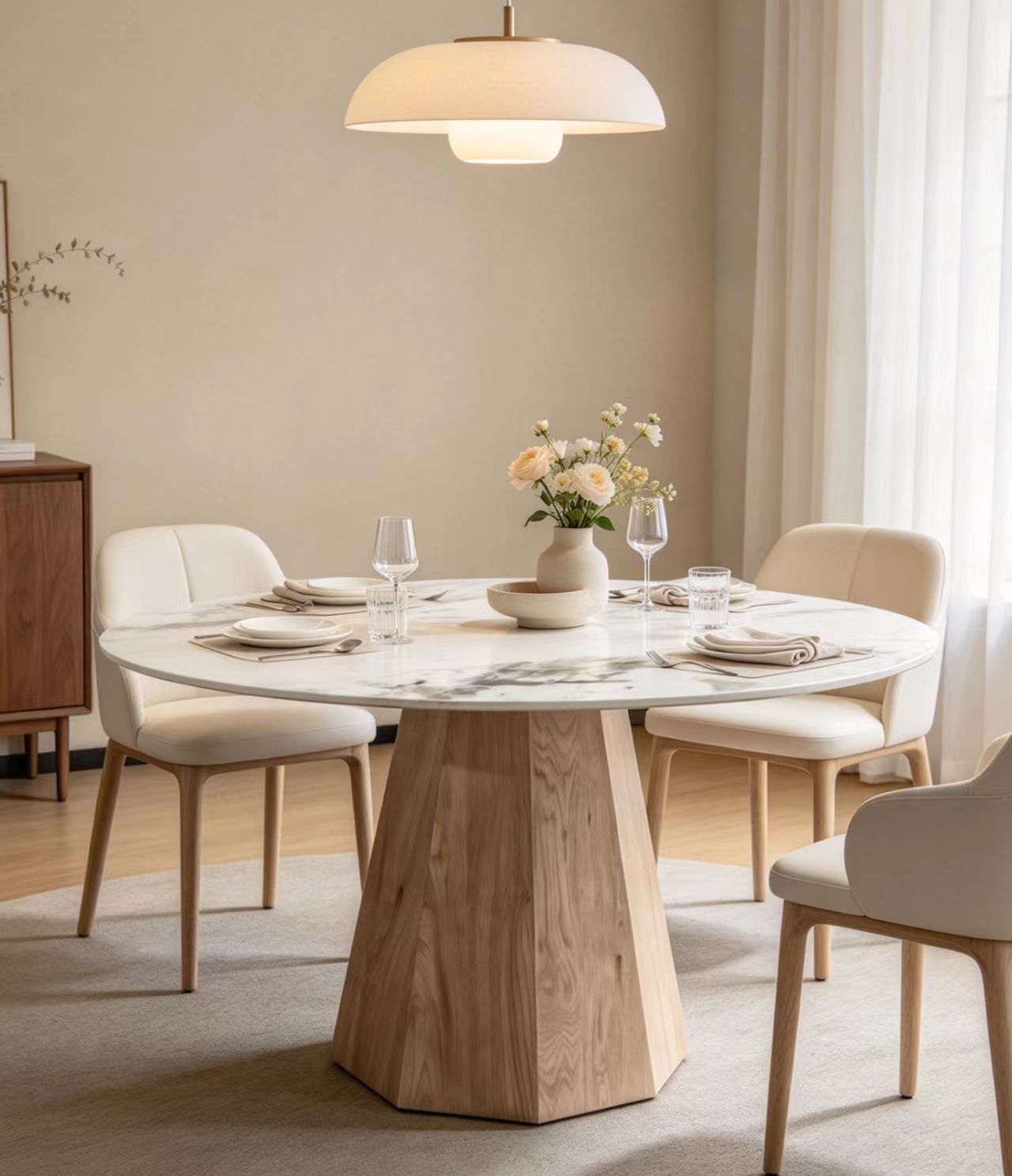
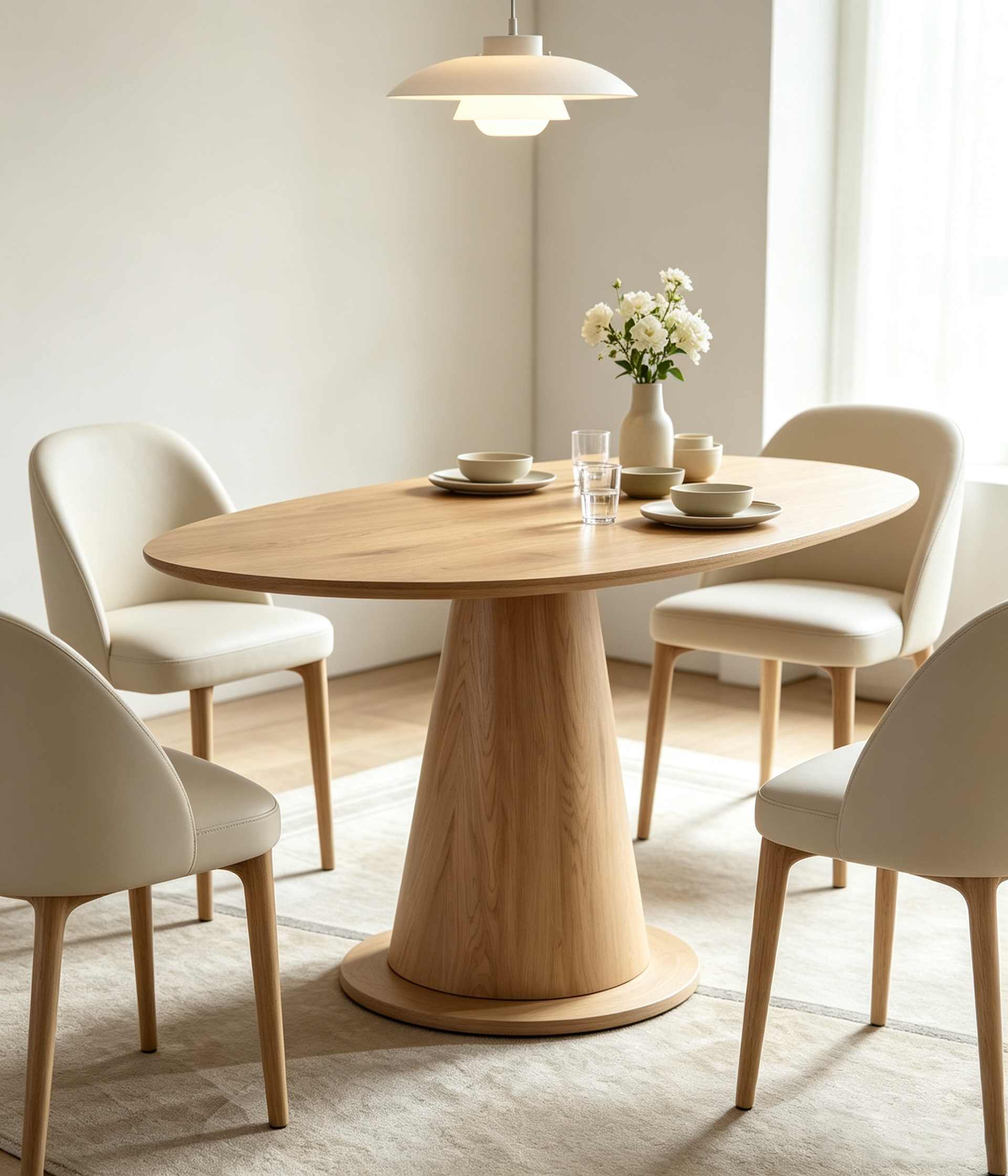
How Many Dining Chairs Fit Around a 48-Inch Round Table? A Seating Layout Guide
An 48-inch circular dining table may seem spacious enough in the product picture, but may be too tight once you get your chairs. There is more that influences the number of seating options than just the tabletop dimensions: the width of chairs, armrests, placement of legs and surrounding area play their roles in daily use. Four chairs are generally a… -
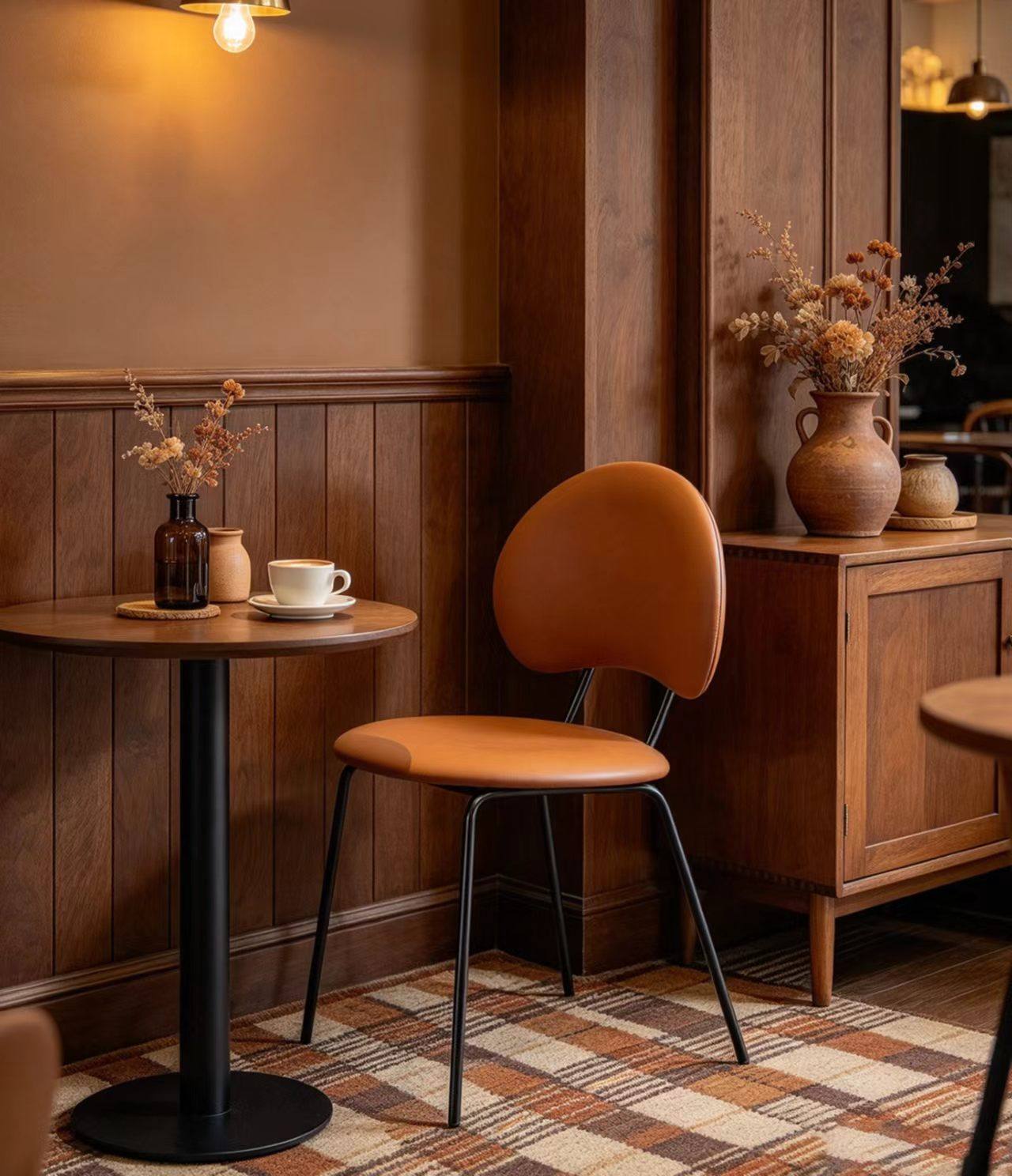
Why Do PU Dining Chair Seats Peel or Crack, and What Should Buyers Check Before Ordering?
A PU-upholstered dining chair can offer a smooth, easy-to-wipe seat, but surface peeling or cracking can shorten its useful life and lead to customer complaints. Two chairs may look almost identical at delivery yet use different upholstery constructions, coatings and cleaning instructions. Buyers should not assume that every material described as “leather” is genuine leather or that every PU finish… -
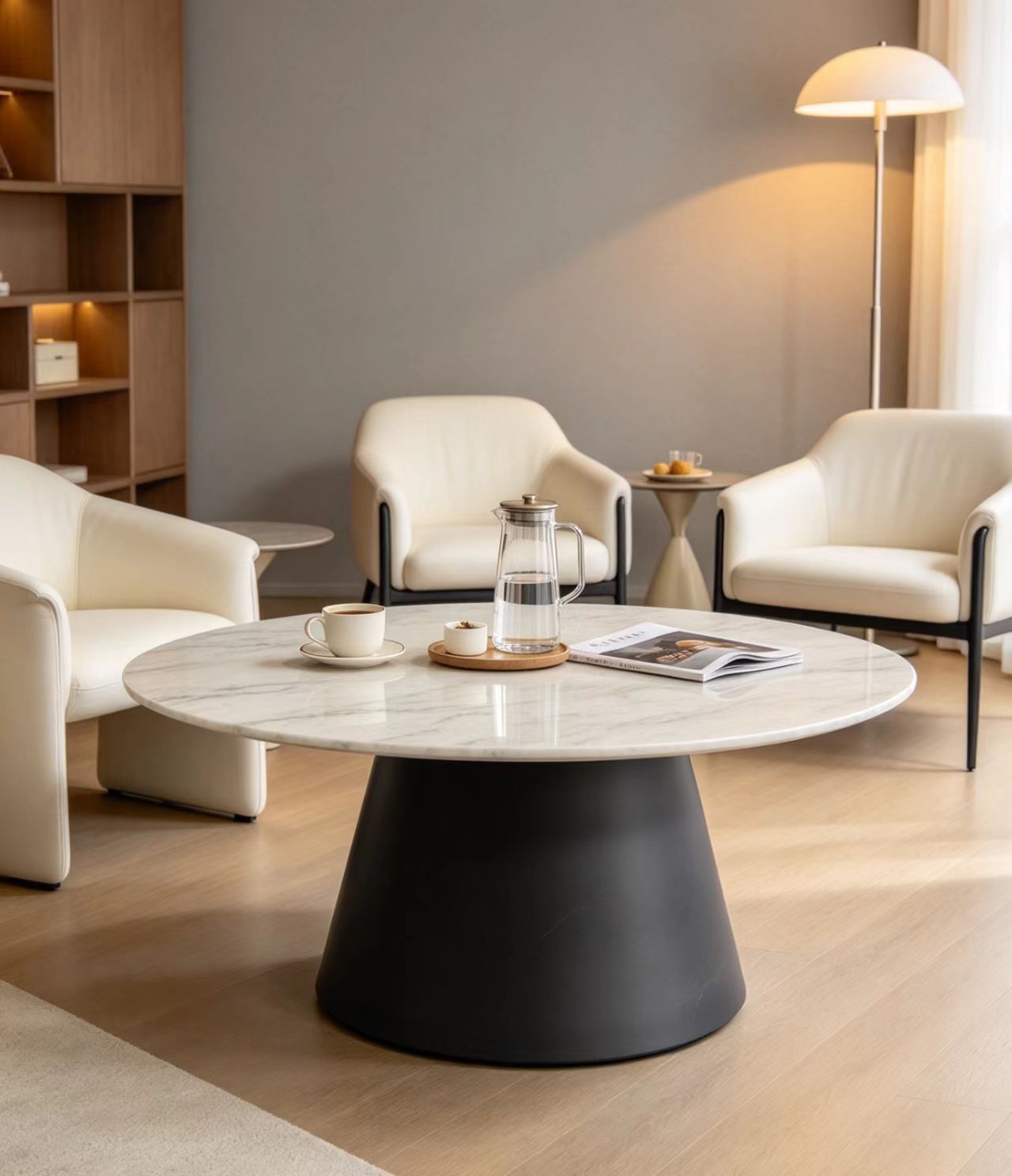
How Should Buyers Check White Lacquer Coffee Tables for Water Rings, Stains, and Surface Wear?
White lacquer coffee tables brighten a room, but their pale surface also makes marks easy to notice. A coffee cup left on a coasterless top, a dark drink wiped up late or repeated cleaning can reveal weaknesses that product photographs cannot show. For homeowners, the question is how much care a finish needs. For furniture retailers and importers, it is… -
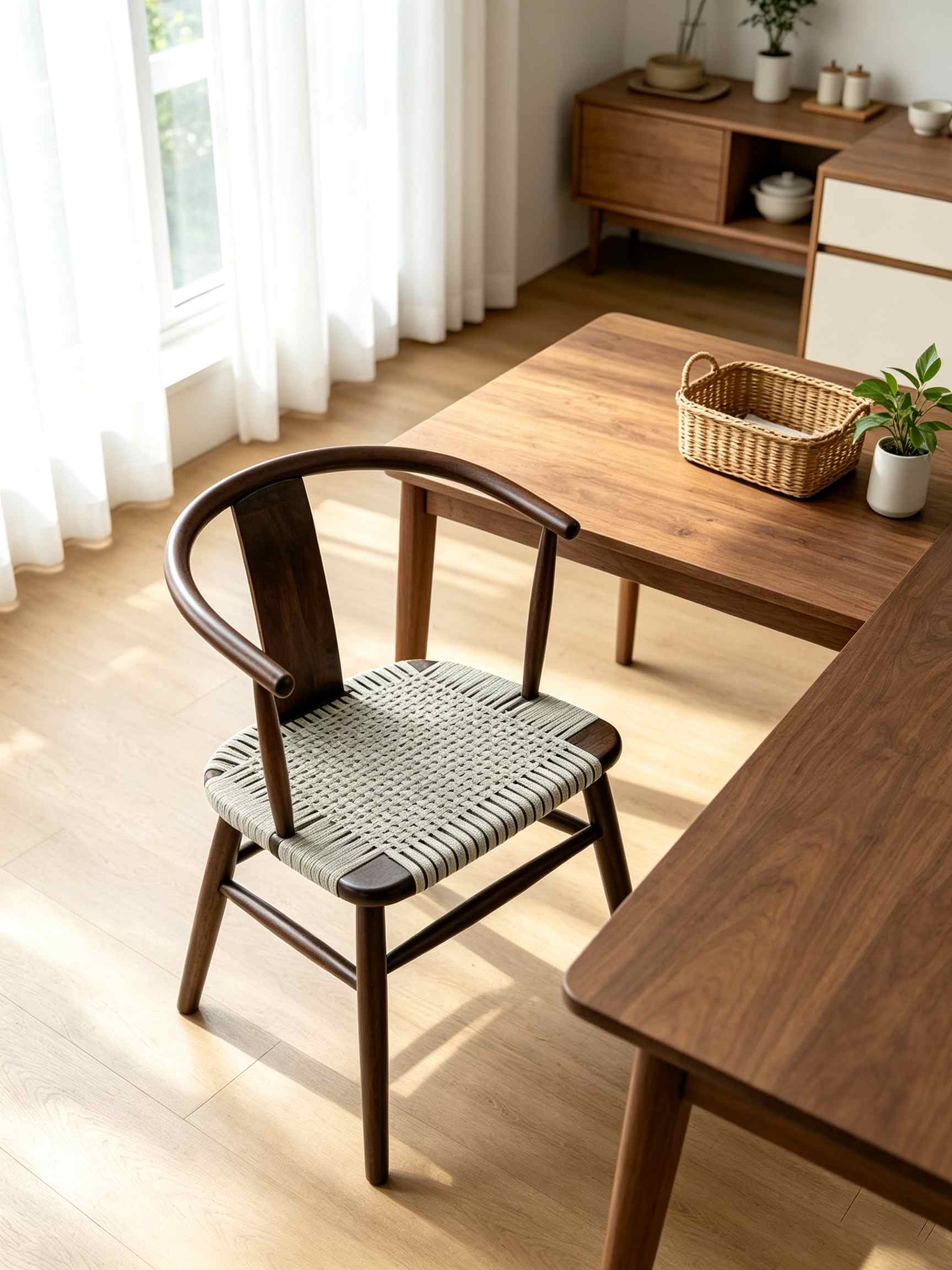
How Should Buyers Inspect Woven Dining Chair Seats? Tension, Sagging, Edge Finish, and Frame Joint Checks
A woven dining chair can look consistent in a showroom image while still carrying production risks at the seat edge, attachment points, or frame joints. For importers and furniture retailers, a useful inspection therefore goes beyond judging the weave pattern. It checks whether the seat is evenly supported, whether the visible finish matches the approved sample, and whether the chair… -
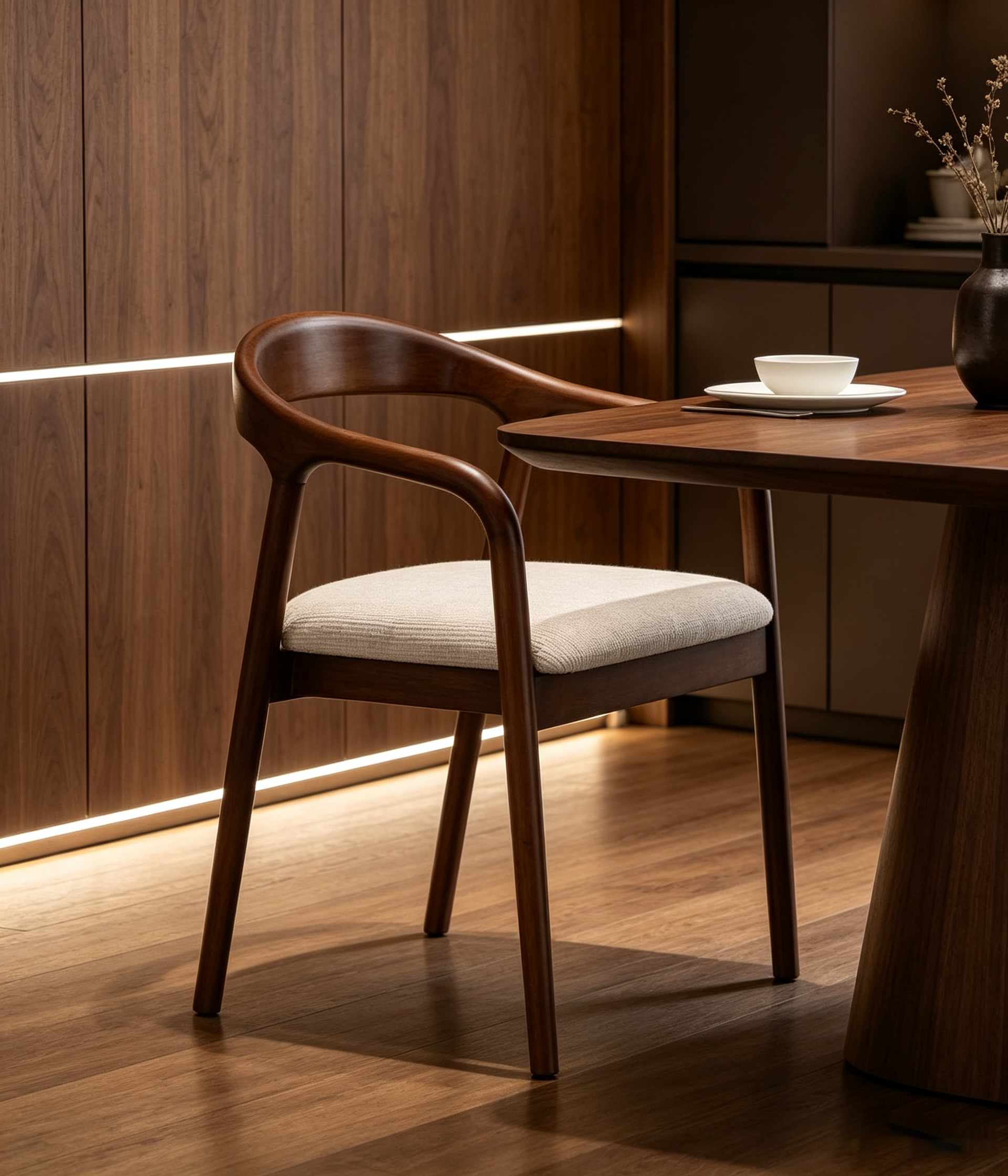
How Can Buyers Control Color Variation in Dark Wood Dining Chairs? Finish Samples, Lighting, and Batch Inspection
Color variation in dark wood dining chairs is not controlled by approving a color name alone. Natural grain, surface preparation, coating application, sheen and viewing light all influence the final appearance. In a retail set or hospitality installation, small differences become more noticeable when many chairs stand side by side. The Venn 9024018 dark ash wood dining chair is a useful… -
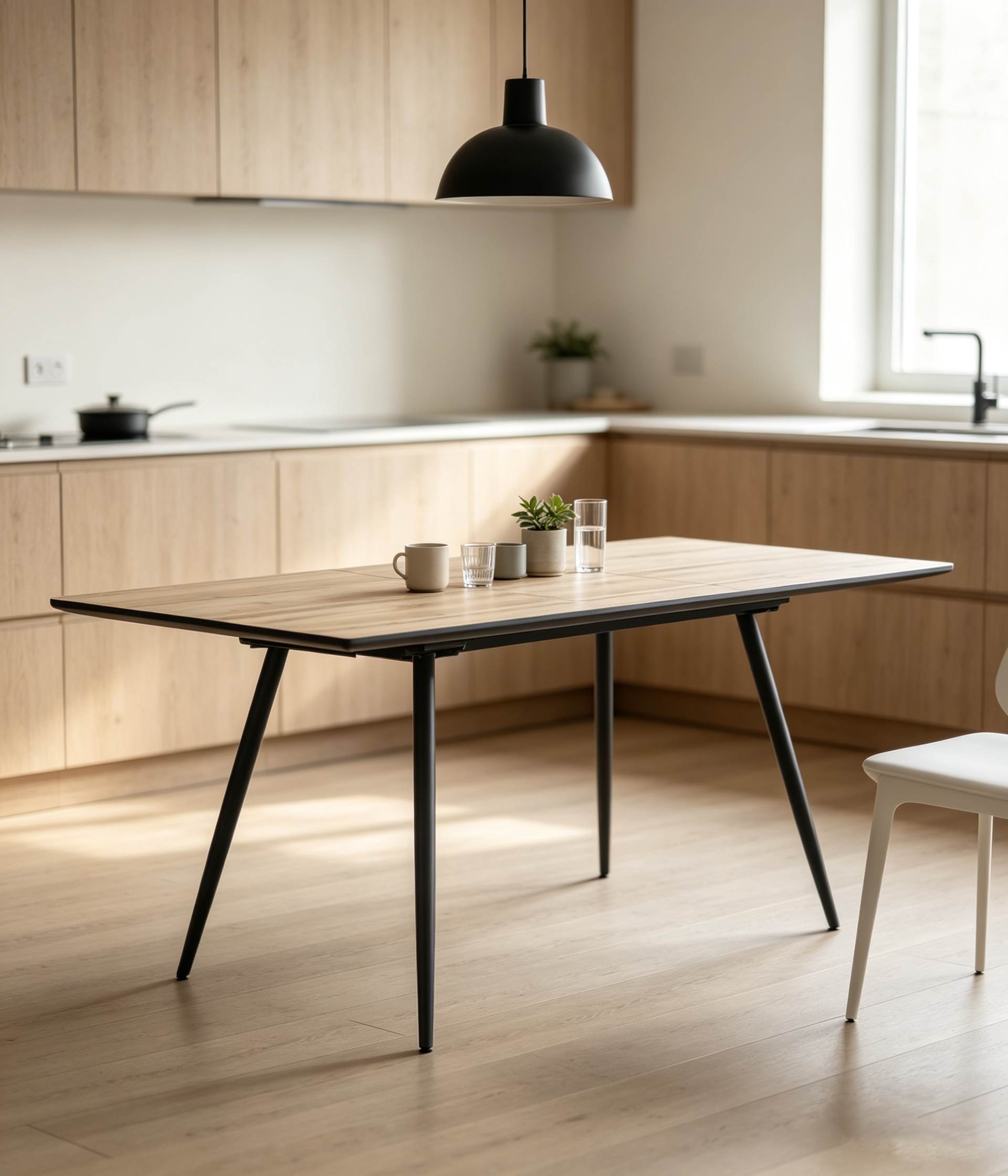
How Should Online Retailers Package an Extendable Dining Table to Reduce Shipping Damage and Assembly Returns?
An extendable dining table can leave the factory in perfect condition and still generate costly returns. Long tabletops expose corners and edges to impact, sliding hardware can move during transport, and a missing bolt or unclear instruction can stop assembly completely. Online retailers should treat packaging as part of the product specification. The carton must protect the finish and mechanism… -
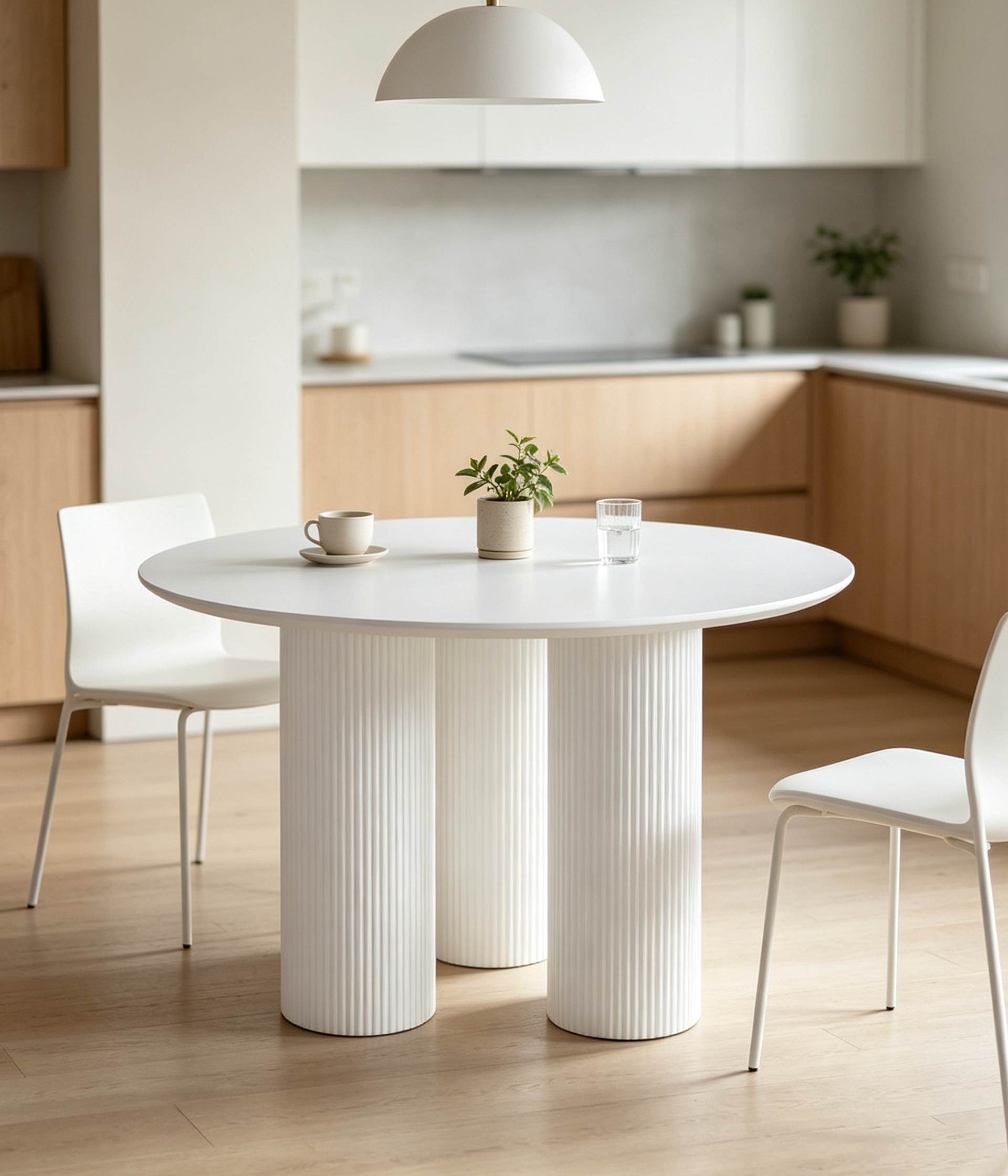
Do Three-Leg Round Dining Tables Wobble? Stability, Floor Contact, and Buyer Checks
A three leg round dining table does not automatically wobble. Three floor contact points always form a plane, so a correctly built tripod base can sit firmly even when the floor has small variations. The real risks are different: a base with too little spread may tip under an off center load, loose joints can allow the top to twist,… -
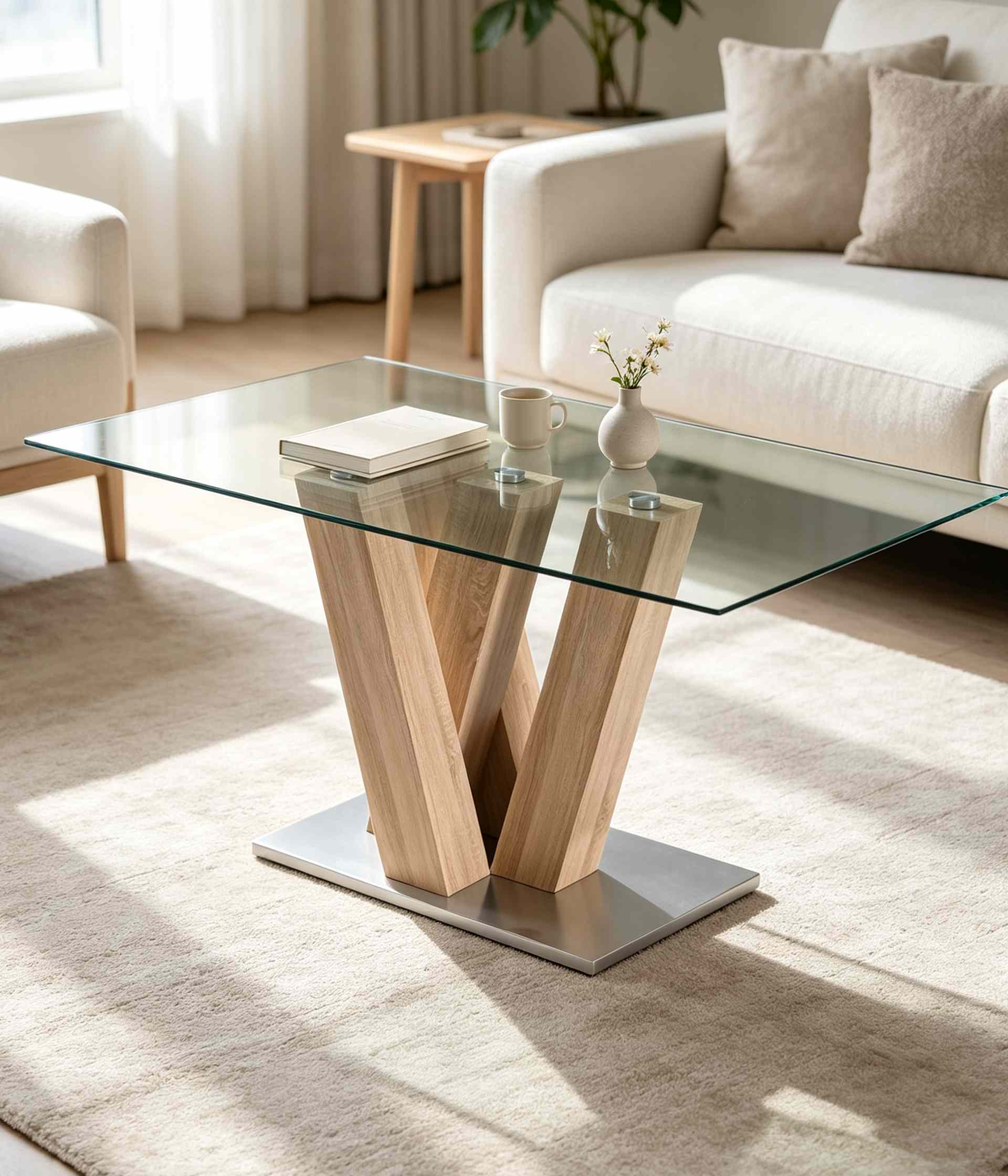
What Should Importers Inspect Before Ordering Tempered Glass Coffee Tables in Bulk?
A tempered glass coffee table can look straightforward in a product photo, yet bulk orders involve several connected quality decisions. The glass must be correctly specified and consistently finished, the base must support it without movement, the fittings must assemble cleanly, and the packaging must protect fragile edges throughout distribution. For importers, retailers, online sellers, and project buyers, a structured… -
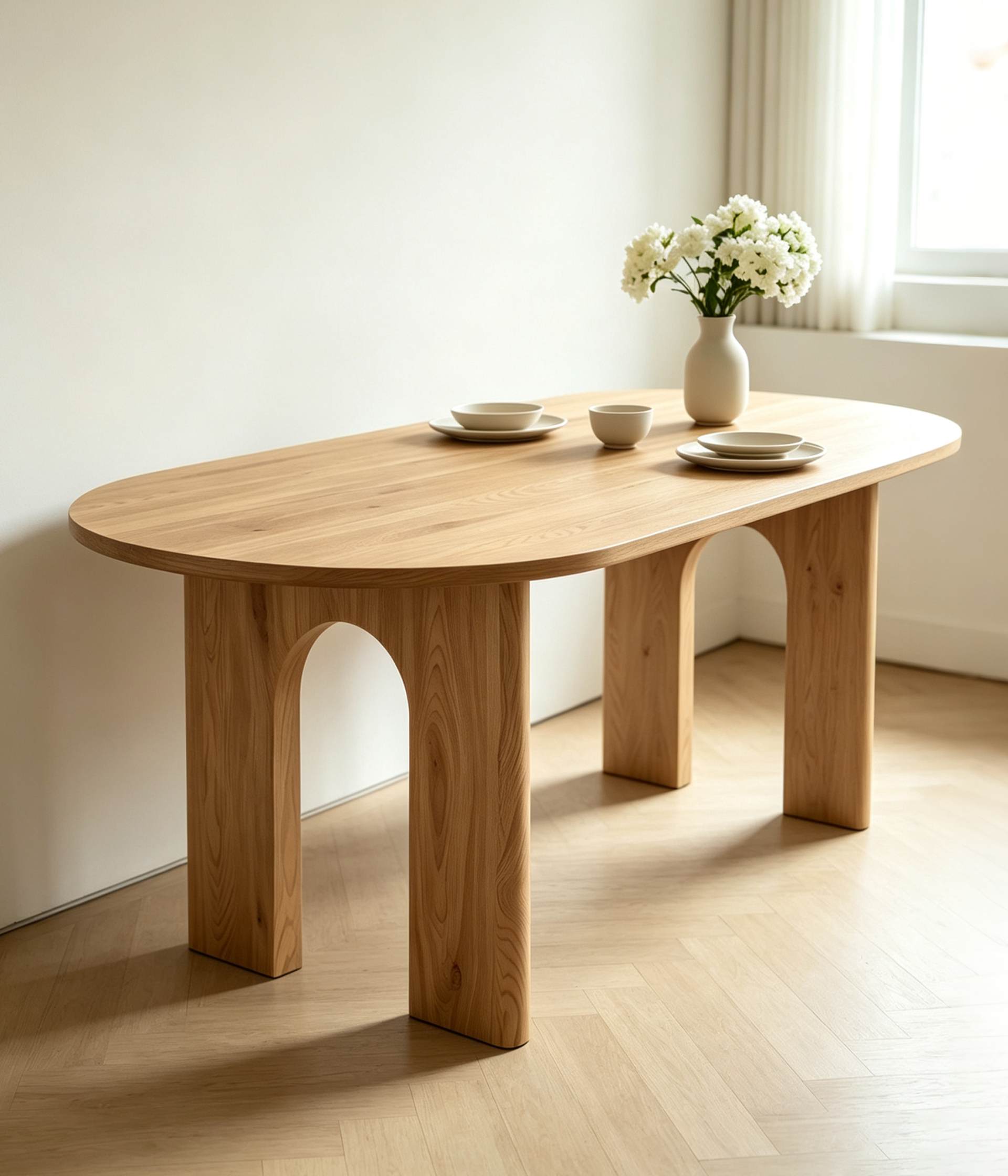
Half-Moon Table vs Console Table: Which Is Better for a Multifunctional Living Space?
A side table placed against a wall fixes many layout issues. However, a half-moon dining table and a console table serve different purposes. You cannot just swap them. The first one supports seated tasks like eating or working. The second one offers a much thinner surface. It works best for displaying items, storing things, or doing quick daily chores. Making… -
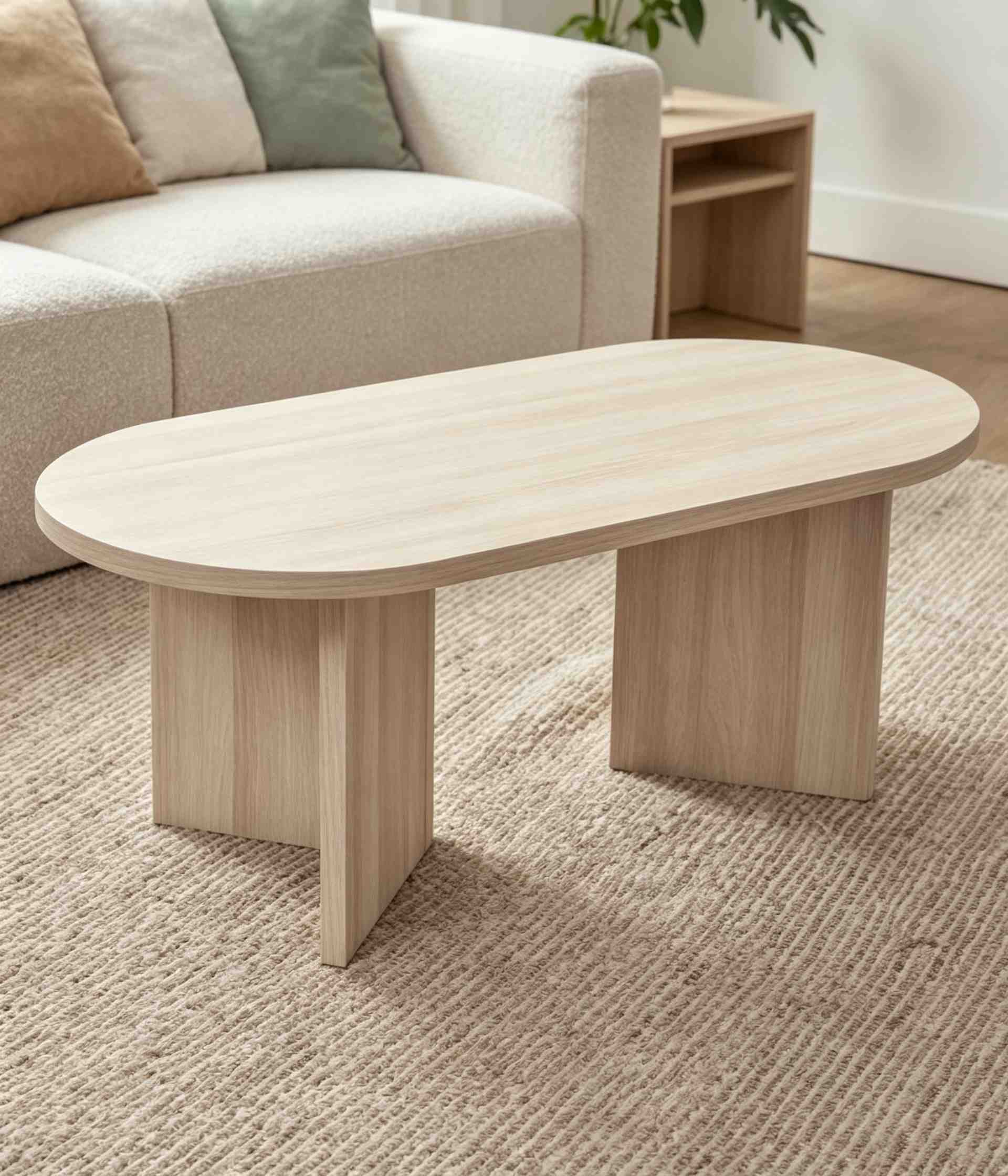
Oval vs Rectangular Coffee Tables: Which Shape Works Better with Different Sofa Layouts?
Picking a coffee table involves more than just looks. The shape changes how people walk through a living room. It also impacts how easily guests grab items from the top. Furthermore, it decides if the seating setup looks balanced. Oval and rectangular coffee tables stand out as popular options. However, they work in distinct ways next to straight sofas, sectional sofas,… -
What Should Buyers Check When Sourcing MDF Dining Tables with Natural Paper Veneer?
MDF dining tables with natural paper veneer offer furniture buyers a handy mix of good looks, manageable weight, reasonable cost, and manufacturing flexibility. However, for wholesalers, retailers, internet sellers, and project buyers, two tables might look identical in pictures but function quite differently after delivery and daily use. The MDF core, veneer uniformity, edge details, base steadiness, and packing methods all…
Mini Blogs
