

Half-Moon Table vs Console Table: Which Is Better for a Multifunctional Living Space?
A side table placed against a wall fixes many layout issues. However, a half-moon dining table and a console table serve different purposes. You cannot just swap them. The first one supports seated tasks like eating or working. The second one offers a much thinner surface. It works best for displaying items, storing things, or doing quick daily chores. Making the correct choice relies on a few factors. You must check the depth, height, and leg room. You also need to look at foot traffic and how frequently the room shifts its main purpose.
This guide helps homeowners, designers, store owners, and project buyers. Flexible rooms need furniture that truly justifies its space. A single table might hold your morning breakfast. Later, it could act as a laptop desk. By evening, it should leave the living space open. Knowing these two table types guides buyers properly. They can pick a product category based on actual daily habits. They will not just buy something because it looks nice against a wall.
What Is the Main Difference Between a Half-Moon Table and a Console Table?
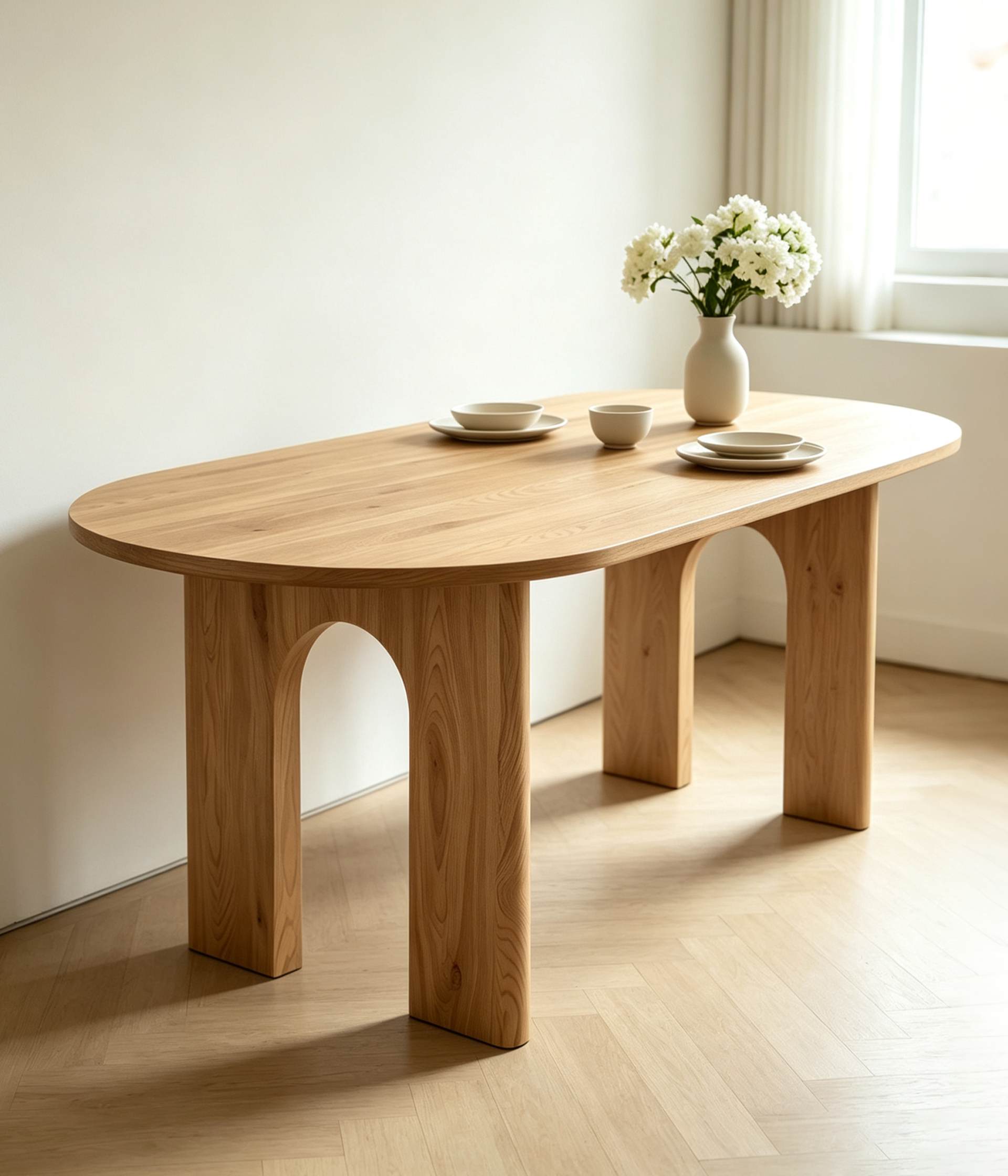
The contrast stands out when shoppers look at depth and floor area. One design focuses on sitting down. The other focuses on taking up very little space next to a wall.
A half-moon table is built around usable depth
A half-moon or semi-circular dining table features one flat edge. This flat side rests easily against a wall. Its rounded front reaches out into the room. It gives you far more working depth than a standard console. You get plenty of room for plates, food bowls, a laptop, or art supplies. That rounded front also builds a smooth path for people walking by.
A console table prioritizes a narrow footprint
People normally pick a console table for entryways and halls. They also place them behind couches or along blank walls. The thin top saves important walking room. Yet, it rarely offers good depth or knee space for a proper meal. This piece shines when you need a spot for decorations, keys, or lamps. It is not meant for sitting down all the time.
Which Option Works Better for Dining?
The semi-circular dining table wins for daily meals. Makers build it to give families a real eating space and good seating spots. The rounded edge lets guests look at each other easily. At the same time, the flat back fits snugly against the wall in small rooms.
The Lior semi-circular dining table is model 5015004. Forest Furniture offers this item in MDF with a natural paper finish. It features a semi-knockdown build and a half-moon shape meant for wall placement. The official page suggests using it for meals, as a console, or as a desk. It seats about four to six users. Your final layout will rely heavily on the size of your chairs and the open space left in the room.
When Is a Console Table the Better Choice?
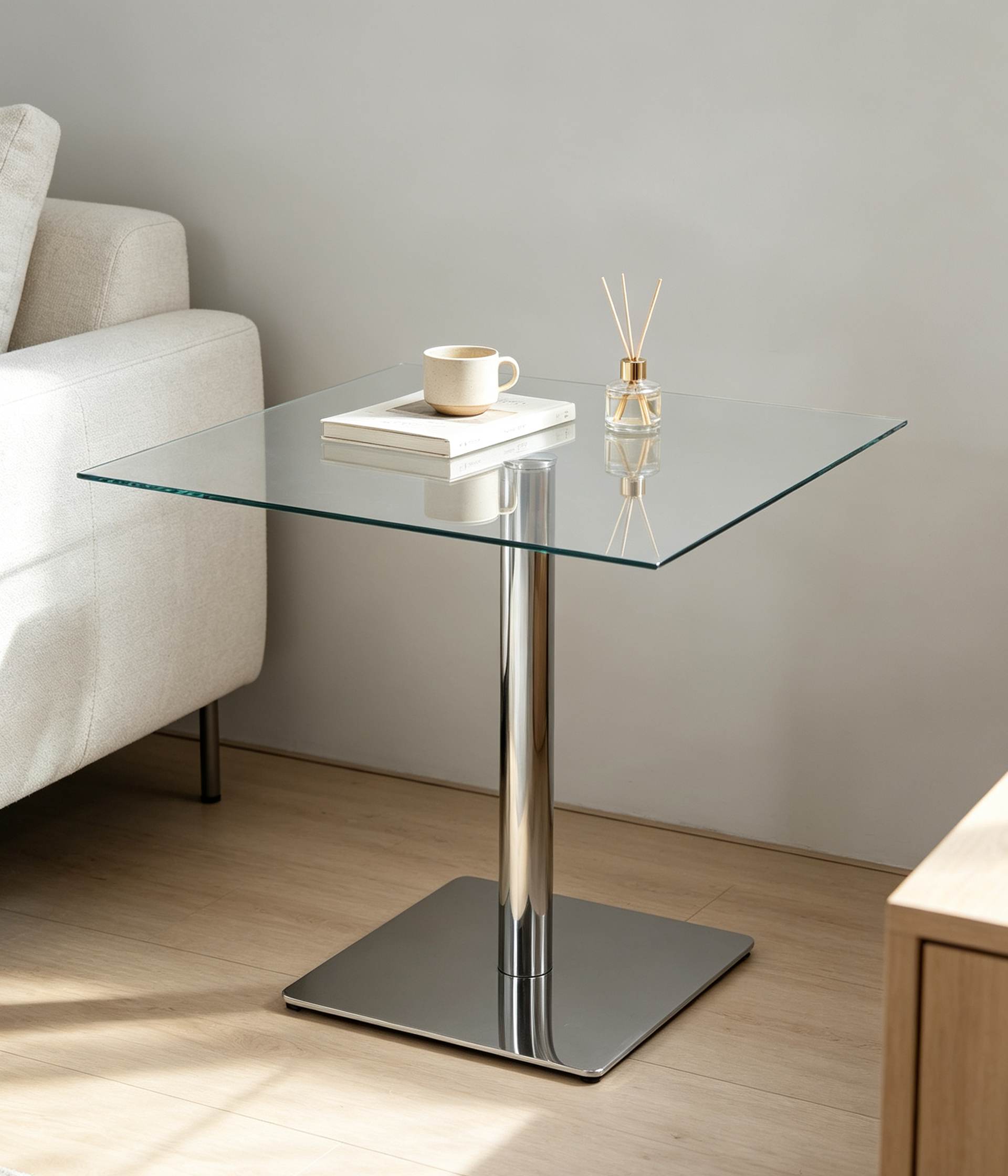
Pick a console if your main goal is keeping the floor clear. A deep table might block doors or stop foot traffic inside a tight hall. A console fits perfectly when you only need a spot for lamps or nice objects. It also handles mail and small storage boxes very well.
Sellers must not market every side table as a dining fix. A product might lack good depth, strong legs, or knee space. If so, buyers will feel upset when they try to sit there. Clear labels help shoppers compare genuine console tables with options made for eating.
How Do the Two Tables Compare in a Multifunctional Room?
|
Choice factor |
Half-moon dining table |
Console table |
|
Main purpose |
Eating, working, group tasks |
Showing items, holding keys, quick chores |
|
Top depth |
Mostly deeper and better for sitting down |
Mostly thinner to keep walkways clear |
|
Sitting space |
Made to fit chairs if space permits |
Rarely built for daily seated meals |
|
Wall setup |
Flat side rests right on the wall |
Fits perfectly on walls, in halls, or behind couches |
|
Look and feel |
Rounded front makes the room feel cozy |
Thin shape keeps the area looking neat |
What Measurements Should Buyers Check?
A smart choice relies on exact numbers, not just the product name. Shoppers must check the top depth and sitting room. They should also look at walking space and table height. All these numbers work together.
Depth and knee clearance
Measure the gap from the wall to the front edge. Make sure this size handles your planned tasks. For eating or typing, the bottom area must give you enough knee room. Wood trims, metal braces, and thick legs can block your knees. This happens even if the top looks huge.
Chair pull-out space and circulation
The table size is merely step one. Chairs need space to slide back. People also need a clear path around filled seats. Doors, heaters, shelves, and nearby items might demand extra room. Buyers can put tape on the floor to mark the shape. Then, they can place their chairs there before finalizing the plan.
Height and task comfort
A table used for meals or daily laptop tasks must fit the user perfectly. It needs to support good posture. A console might look great in pictures. However, it could be too tall or too thin for real work. The bottom might also block your legs. Because of this, you must match the product numbers with your actual chair. Do not just trust the category name.
How Can a Half-Moon Table Support Three Use Cases?
This same curved shape takes on different jobs. You just need to match the room layout and items to your goal. The three ideas below show how eating, working, and displaying items require different things from the table.
Dining zone
Put the flat side against your wall. Leave plenty of room for your chairs. For big family dinners, see if you can pull the table forward safely. It should not block the main walking path. A nice rug, a hanging lamp, or wall art can mark the eating area. You will not even need to buy more furniture.
Workspace
Use the rounded front as your main desk edge. Hide your power cords along the flat back. Sellers must check the top depth and firmness before calling it a desk. They also need to review cleaning needs and leg room. A small desk setup must still hold a laptop easily. It should also allow you to move freely every day.
Console-style display
You do not always have to sit at this table. It can easily hold a lamp, some books, or green plants. You should keep this deep top tidy. Do not let junk pile up. Inside a living room, the round front makes a big piece feel soft. It looks much better than a sharp square block sticking out.
What Should Retailers Consider When Positioning the Product?
Stores should list the item by its best proven use first. Next, they can show other ideas using photos and exact floor plans. For the Lior model, the main group remains a semi-circular dining table. Using it as a console or desk just shows its flexible nature. This approach is much clearer. It beats calling the item three different things without explaining the size limits.
A store display can present the table in three ways. First, show it for meals with right-sized chairs. Second, set it up for work with a laptop and a small lamp. Third, style it as a living room display against the wall. Every photo must use the exact same product numbers. Shoppers looking for different shapes can check out the full dining table collection. This stops the page from becoming a boring size manual.
Why Source Multifunctional Tables from Forest Furniture?
Forest Furniture makes and ships solid wood, fabric, and panel goods. They serve wholesale buyers, local shops, web stores, and big projects. The official Lior page shares details on materials, colors, and sizes. It also lists packing rules, MOQ, wait times, and custom options for this model. These facts might shift over time. Buyers must check the newest details when asking for a price quote.
Designing a room takes more than just picking a shape. Forest Furniture offers a helpful guide on matching dining table dimensions with room proportions. It shares great tips on size, seating, and walking paths.
Conclusion
A half-moon dining table wins when your room needs a real sitting spot that fits against a wall. A console table wins when you must keep a hallway clear. It is great if you mostly want to display items or do quick tasks. Shoppers must check the depth, height, and knee room. They should also test chair sliding and walking paths before buying. Inside flexible homes and big projects, the best table handles the main job perfectly. It also handles side tasks without any trouble.
FAQs
Can a half-moon table be used as a console table?
Yes, it can work if the depth and spot fit your room. A semi-circular dining table gives you a huge display area next to the wall. However, it usually sticks out much further than a standard console.
Is a console table suitable for everyday dining?
Usually, it is not. Many consoles are far too thin. They do not offer good knee room for nice meals. You must check the exact numbers, the frame, and the main purpose before you pull up chairs.
What should buyers measure before choosing either table?
You should measure the wall length, table depth, and full height. Check the space underneath as well. Measure your chair width and the slide-back area. Look at nearby doors and the leftover walking path. Putting tape on the floor helps a lot. Testing it with your actual chairs will show any space problems right away.
