


What Should Buyers Check When Sourcing MDF Dining Tables with Natural Paper Veneer?
MDF dining tables with natural paper veneer offer furniture buyers a handy mix of good looks, manageable weight, reasonable cost, and manufacturing flexibility. However, for wholesalers, retailers, internet sellers, and project buyers, two tables might look identical in pictures but function quite differently after delivery and daily use. The MDF core, veneer uniformity, edge details, base steadiness, and packing methods all affect the end product. Using a clear checking method helps buyers cut down on customer complaints. It also helps them pick dining tables that fit their specific market, rather than just looking at the cheapest price.
Why Does the MDF Core Matter When Sourcing Dining Tables?
The top decorative layer gets most of the attention. Yet, the MDF core adds to the tabletop’s strength, cutting precision, and overall reliability. Therefore, buyers need to check the base material before saying yes to the final finish.
Check Surface Flatness and Panel Consistency
A completed tabletop must not have clear dents, bumps, or rough spots. This step is especially crucial when the top layer is thin. Flaws under the surface often show up clearly under bright light.
For large orders, buyers should compare the tabletop surfaces across several items. They should never judge a whole production batch from just a single sample.
Match the Material to the Intended Market
A lighter table for small apartments or online shops might focus on easy moving and shipping. On the other hand, furniture for rental homes or busy hospitality venues needs to handle heavy, daily use.
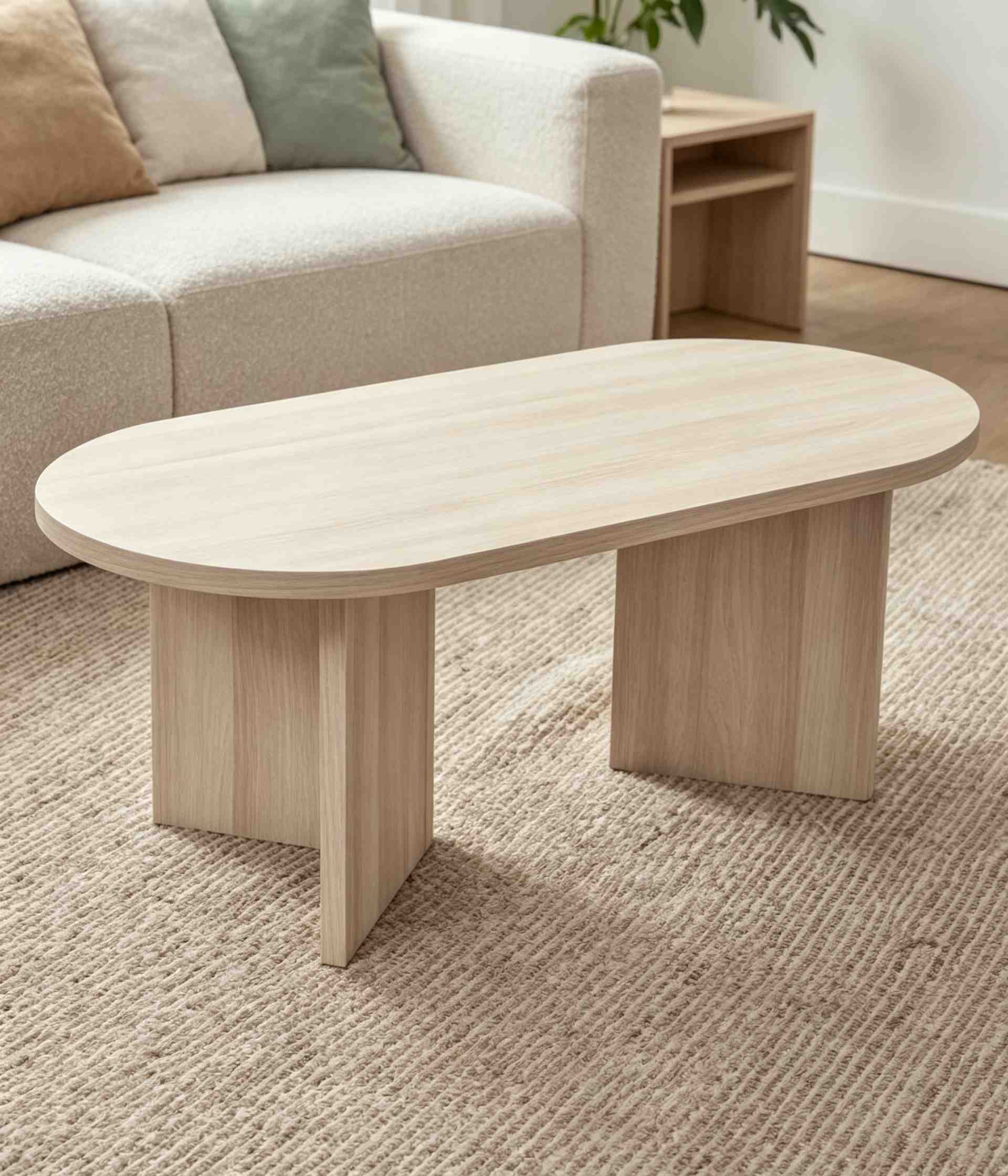
Kean 5015003 features an MDF core with natural paper veneer as its normal choice. It can also be made using solid ash wood. This gives buyers two distinct material paths within the exact same design style.
What Should Buyers Inspect on Natural Paper Veneer?
Natural paper veneer is made to show a wood-grain look without needing a solid-wood top. Its true worth relies heavily on a steady pattern and a neat, clean finish.
Look for Consistent Grain and Color
Buyers should view several pieces under the same lighting conditions. The grain direction, color shade, and pattern thickness must look matched across the whole batch.
Kean uses natural paper veneer meant to copy real wood grain. Thus, surface uniformity is a main factor in how people view the product.
For online furniture stores, this detail is very important. Product photos set firm expectations before buyers actually get the table.
Check Edges and Seams Carefully
The edges usually show finishing flaws first. Buyers need to watch out for peeling, bare base material, rough borders, visible glue marks, or messy wrapping.
Round or oval tabletops need very tidy edge work. Their outer borders are always easy to see.
How Can Buyers Evaluate Stability and Construction?
A beautiful top cannot make up for a shaky base. People move, lean on, and load dining tables often. So, the joint between the tabletop and the legs needs a close look.
Test for Wobble
Put the built sample on a flat floor. Then, push lightly from different sides. The table must stay firm without any clear shaking.
For bigger orders, buyers should do this test on multiple samples. Small changes in cutting or building can change how well individual pieces stand.
Inspect Leg Connections and Hardware
The screw holes must line up right. The metal parts should lock tightly. Also, the legs must stand at matching angles. If the table comes in pieces, putting it together must be easy for the final user.
Kean has tapered legs and a lighter MDF-based choice. This makes the joint strength vital for both firmness and the buyer’s comfort.
What Surface Performance Should Buyers Check?
Dining tables handle spills, wiping, heavy plates, and constant touching. Buyers must grade the surface based on real daily use, not just how pretty it looks.
Review Cleaning and Scratch Resistance
Buyers can test a sample using standard cleaning habits common in their market. They must see if the top scratches easily, loses its shine, or shows clear wear after normal wiping.
The main goal is to avoid guessing the quality from a text description. Instead, buyers must check that factory samples reach their quality needs before starting mass making.
Pay Attention to Exposed Areas
The table edges, drilled holes, bottom side, and leg joints need extra care. Badly finished spots can turn into weak points during constant cleaning or damp weather.
For items meant for busy commercial or rental spaces, these hidden table parts might be just as vital as the nice-looking top.
Why Does Batch Consistency Matter for Wholesale Orders?
One good sample is just the start. Wholesale buyers need items that look and feel the same across an entire shipment.
Compare Multiple Production Units
The checking process should include several boxes. If possible, pick items from different parts of the run. Buyers can check the top color, veneer lines, leg paint, sizes, metal parts, and how well things fit together.
This step makes it simpler to spot repeating quality shifts before the goods reach stores or home users.
Define Acceptable Variations Before Production
Buyers should not just use vague words like “nice finish.” They can set clear rules for approved samples, exact color limits, edge looks, metal types, and packing needs before making starts.
Clear rules are very helpful when selling goods online. Clear visual gaps between sales photos and the real furniture can hurt reviews and raise return numbers.
What Packaging Details Should Buyers Review?
The veneer top and table edges need safe cover during long sea shipping. This is true even though the MDF type is lighter than a solid-wood choice.
Protect Finished Surfaces and Corners
The packing must stop direct rubbing between painted parts and hard pieces. The corners, edges, and leg poles should stay apart. This stops moving parts inside the box from causing chips or scratches.
Buyers must look closely at the tabletop edges. Edge harm is very easy to see once the furniture is set up.
Check Carton Layout and Assembly Parts
Flat-pack designs can make shipping cheaper. However, the pieces need clear tags and full hardware bags. Buyers must check the box setup, top covers, screws, and building guides before agreeing to the final packing rule.
For importers buying full containers, packing needs to be treated as a key product rule, not just a last-minute thought.

Why Choose Forest Furniture as an MDF Dining Table Supplier?
Forest Furniture works with a complete making and shipping setup. It provides solid wood, soft seating, and panel furniture. Its clients include shop owners, bulk buyers, web sellers, and groups fitting out hotels and short-stay rentals.
Its wide furniture choice lets buyers find tables and matching items for different budgets, material needs, and market spots. The company’s main site also shows dining tables, extending tables, coffee tables, and other table types inside its product list.
Conclusion
Buying an MDF dining table with natural paper veneer takes more effort than just looking at the style and unit cost. Buyers must check the MDF core, veneer evenness, edge work, base firmness, metal parts, top strength, batch changes, and packing safety.
Kean 5015003 proves how an MDF core with natural paper veneer can offer a lighter wood-style choice. Meanwhile, a solid ash model gives a different material option. Firm rules before making and checking many units can stop silly quality issues. This helps bulk buyers and store owners keep a more steady furniture range.
FAQs
Is Natural Paper Veneer the Same as Real Wood Veneer?
No. Natural paper veneer is a printed paper surface made to copy a wood-grain look. Real wood veneer uses a very thin slice of actual wood.
Is an MDF Dining Table Suitable for Wholesale Furniture Programs?
It certainly can be. Its fit depends on build strength, target price, shipping style, and planned daily use. MDF can be a great choice when easy weight and steady finishes are top needs.
What Should Buyers Inspect Before Approving an MDF Dining Table Order?
Main checks cover tabletop flatness, veneer evenness, edge neatness, leg firmness, hardware fitting, surface strength, exact sizes, safe packing, and steady quality across many factory units.
