

How Should Buyers Check White Lacquer Coffee Tables for Water Rings, Stains, and Surface Wear?
White lacquer coffee tables brighten a room, but their pale surface also makes marks easy to notice. A coffee cup left on a coasterless top, a dark drink wiped up late or repeated cleaning can reveal weaknesses that product photographs cannot show. For homeowners, the question is how much care a finish needs. For furniture retailers and importers, it is how to evaluate a production sample without assuming every white surface behaves the same way. Buyers can make a more informed decision by checking the actual coating, the cleaning instructions and the kinds of contact the table will face.
Why Do Water Rings Appear on White Lacquer Tables?
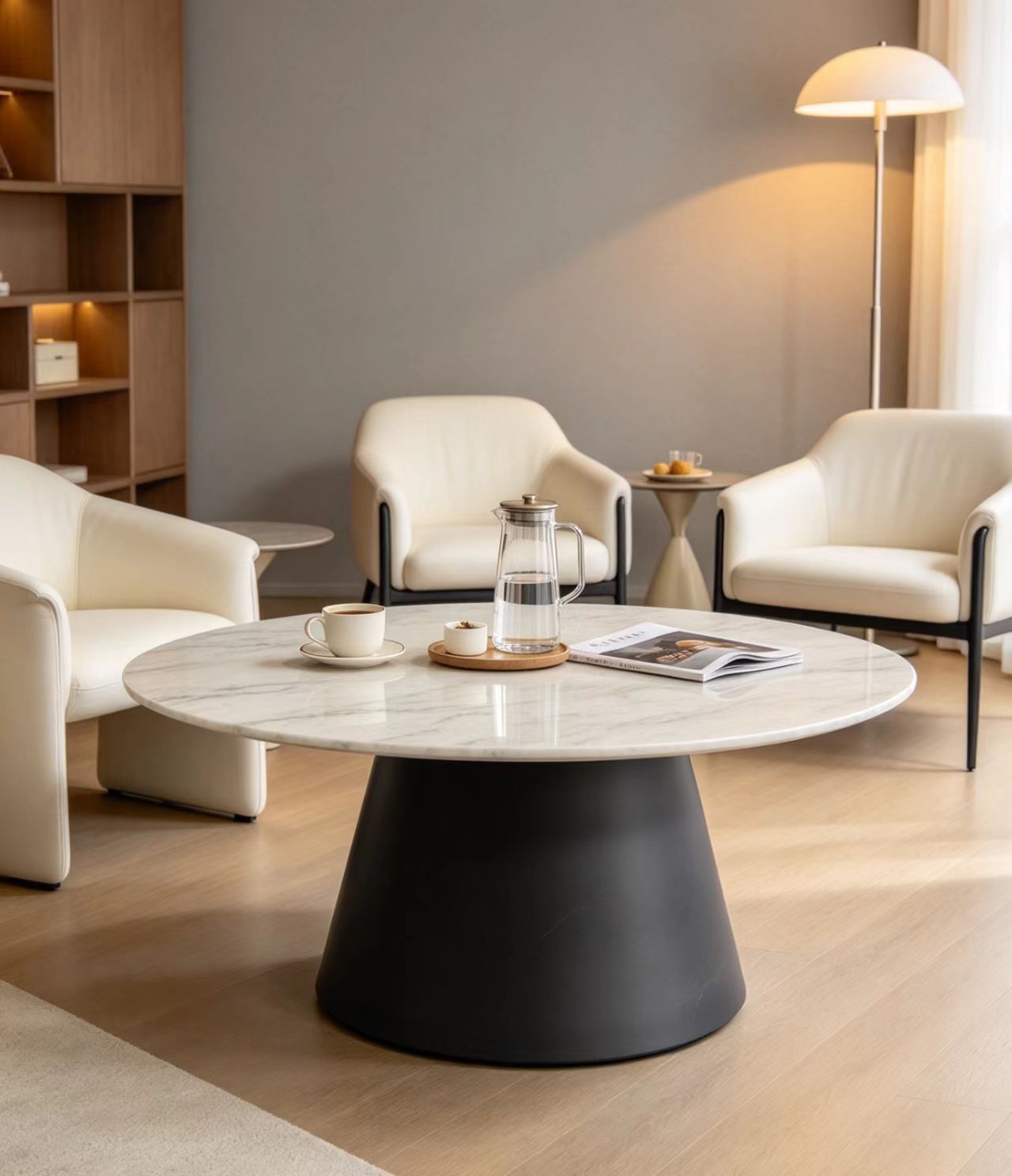
A white finish can show circular marks for several reasons. The appearance of a ring does not, by itself, reveal what has happened to the coating.
Distinguish surface residue from finish damage
Start by checking whether the mark disappears with the cleaning method approved by the supplier. Minerals from water, drink residue and transferred dirt may remain on the surface; heat or trapped moisture can sometimes change the finish itself. Never begin with abrasive pads or aggressive solvents. Photograph a persistent mark under consistent light and ask the supplier which treatment, if any, is suitable for the coating.
Check heat and moisture expectations separately
A cup containing a cold drink creates a different exposure from a hot mug. Ask whether the tabletop has been assessed for wet contact and for heat under conditions relevant to its intended use. A general “easy-clean” label does not establish resistance to every beverage or temperature. Coasters remain a practical precaution even when the sample performs well.
Which Stains Should Buyers Test on a Sample?
A useful stain review reflects what customers will actually place on a coffee table rather than trying to prove that the surface is immune to damage.
Select realistic substances and contact times
Use supplier-approved checks with water, tea, coffee or another common household substance, and agree in advance how long each will remain on the test area. Choose a hidden or designated sample area if a trial could damage the finish. Record the appearance before contact, immediately after cleaning and after the surface has dried. Judge visible color transfer, changed gloss or remaining marks separately.
Compare the result in natural and artificial light
White lacquer may show a faint yellow cast, dull patch or cleaning streak more clearly at one viewing angle than another. Inspect under the same lighting used for sample approval. For bulk orders, compare multiple tops rather than approving a single piece with particularly good surface finishing.
How Can Buyers Assess Everyday Surface Wear?
Water and staining are not the only concerns. Small scratches and repeated wiping can change the appearance of a glossy or matte white surface over time.
Identify the finish before choosing a test
Ask for the tabletop substrate and coating specification. A lacquered surface is not interchangeable with a ceramic-coated or laminate surface, and results from one finish cannot be assumed for another. The Emory coffee table is presented by Forest Furniture with white lacquer and wood-look styling options. Buyers should confirm the precise finish supplied for their selected version before defining inspection criteria.
Inspect gloss change and edge wear
Observe the top and its rounded edges under side lighting. Repeated contact can produce shiny spots on a matte finish or fine visible scratches on a glossy one. Inspect corners and the perimeter for chips or peeling, and check whether the underside and mounting points have been finished appropriately. A clean tabletop photograph will not reveal damage on an exposed edge.
What Care Instructions Should Retailers Confirm?
A finish may be suitable for normal living-room use yet require specific cleaning habits. Retailers should know these limits before making product claims or printing care cards.
Request instructions for common spills
Ask what cloths and cleaners are permitted, whether spills should be removed immediately and which substances must be avoided. A damp soft cloth may be appropriate for many finishes, but the supplier’s instructions should govern the actual product. Avoid advising customers to use alcohol, bleach or other strong cleaners without finish-specific approval.
Plan for the room and customer
A coffee table in a busy rental apartment may receive more frequent wiping than one in a low-use sitting room. Ask whether coasters or protective pads are recommended and explain those expectations in product listings. When choosing coordinated styles, buyers can also review the site’s coffee table collection rather than assuming that all models share the same coating performance.
What Should Importers Put on the Sample Approval Sheet?
A written record keeps visual preferences separate from claims about stain resistance or durability.
Describe the finish and the test result
Record the selected white tone, matte or gloss appearance, substrate and coating identification, approved cleaning method, and photographs taken before and after the agreed stain and wear checks. Note the actual exposure conditions; do not convert a brief sample observation into an unsupported promise of years of stain-free use.
Confirm packaging protects the finished edges
Inspect how the tabletop is separated from legs, hardware and other hard parts inside the carton. Film or cushioning should protect the visible surface without leaving adhesive marks. Photograph the corner and edge protection on the approved packing sample, then compare it with the packed production units. For broader bulk-order considerations, consult the wholesale coffee table buying guide.
Why Consider Forest Furniture for Coffee Tables?
Forest Furniture manufactures and exports a broad furniture range for retailers, wholesalers and project customers. Its coffee table selection includes different shapes and finish options, allowing buyers to discuss the appearance and upkeep expected in their market. Sample-based approval is especially useful when a pale finish makes small production differences easy to see.
Conclusion
A white lacquer coffee table should be assessed for the exact finish being purchased. Distinguish removable residue from coating damage, use controlled sample checks for common spills, inspect gloss and edge wear, and request care instructions that customers can follow. The result is a clearer product specification and a more credible product listing, not an unrealistic promise that a white surface will never mark.
FAQs
Can water rings be removed from a white lacquer coffee table?
Sometimes a ring is removable residue; sometimes the finish itself has changed. Use only the cleaning method approved for the particular coating and contact the supplier if the mark remains.
Are matte white coffee tables more scratch resistant than glossy ones?
Not necessarily. The formulation and construction matter more than the appearance alone. Different finishes also reveal wear differently, so test the exact sample.
Should buyers assume Emory’s white finish is waterproof?
No. A white lacquer option does not establish a waterproof rating or a defined level of stain resistance. Request the selected finish specification and any relevant test information.
