

Color and material selection of dining chairs: How to add color and taste to commercial spaces?
Color is a key factor that shapes how guests view a dining space. It affects hunger, social chats, and emotional ease, especially via the hue of chairs and nearby decor. In hospitality design, color plans need to match brand image and the aimed-for customer vibe.
The Psychological Impact of Chair Colors
Warm shades like red, orange, and yellow boost hunger and talks. These hues bring energy and friendliness. They fit well in quick-service eateries or bustling coffee spots. On the other hand, cool shades such as blue and green promote peace and rest. These work great for upscale meals or health-focused places where people stay longer. Plain colors like beige, gray, or taupe give a classic grace. Upscale spots often use them to keep things classy without tiring the eyes.
When customers eat at your eatery, they need a spot to sit and enjoy food. Your dining tables should draw them in for that. Dining tables in a restaurant do far more than just serve a purpose. This idea holds true for τραπεζαρία καρέκλες too. Their hue must welcome ease while fitting the eatery’s style.
Coordinating Chair Colors with Interior Themes
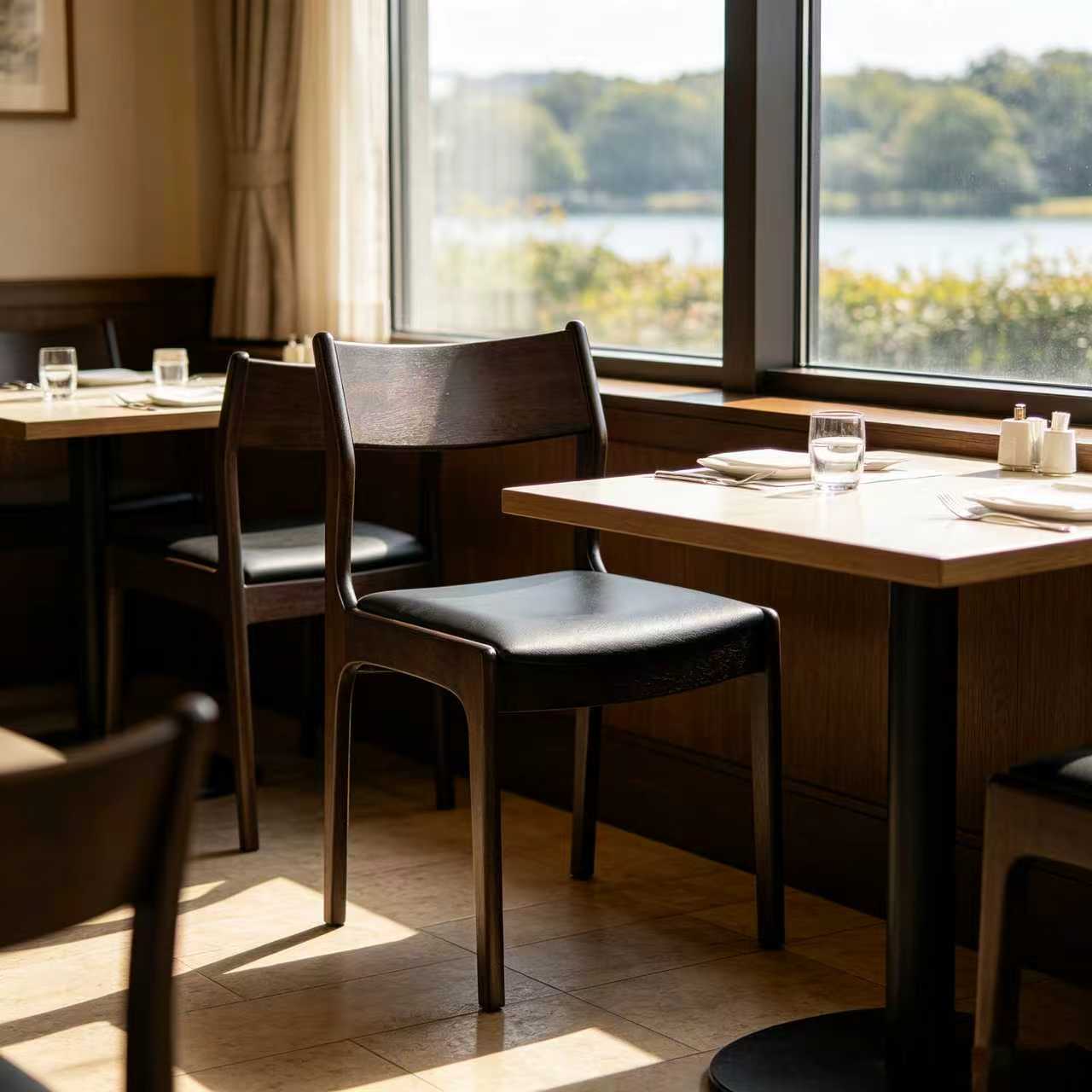
Good design relies on a smooth visual flow. Pairing chair hues with floor coverings, lights, and wall treatments boosts room unity. It makes sure nothing fights for focus. You can use highlight colors wisely, maybe on chair covers, to spotlight areas like private corners or bar sections. Changing color sets with seasons also keeps looks new. For example, soft pastels in spring or rich gem shades in winter tie into current styles.
To make your τραπέζια τραπεζαρίας match your eatery design, check how they blend with wall and floor shades. The same method helps chair colors fit smoothly into the whole setup.
What Role Does Material Selection Play in Aesthetic and Functionality?
The choice of chair materials sets not just their look but also how they hold up in busy spots. In places with lots of foot traffic, like eateries or hotels, materials need to mix toughness with style goals.
Common Materials Used in Dining Chairs
Wood: Brings a natural feel and grain that suits country or old-style rooms. Wood stays popular over time. You have many wood types to pick from. Solid ash wood types like Jora 9024023 show fine work while keeping strong build.
Μέταλλο: Gives solid strength with a fresh look. It suits factory-like or simple ideas. Coated finishes add rust protection and sharp contrast to milder materials.
Plastic and Polypropylene: Light picks that work for relaxed food places. They come in many colors. This lets you play with chair hues in fun ways.
Upholstered Options: Mix ease with high-end feel via cloth or leather covers. Rough covers quiet sounds while adding visual depth.
Balancing Durability with Design Intent
Busy spots gain from spill-proof cloths and sturdy frames that handle daily use. Mixing materials, like metal bases with wood tops, gets both toughness and style flexibility. Metal parts take heat well. They rarely get harmed. Eco-friendly sources also build brand care without hurting looks.
How Can Designers Harmonize Color and Material for a Cohesive Look?
A smooth design comes when material picks support color plans. They should not clash in the area.
Creating Visual Balance Through Contrast and Texture
Matching dull finishes with shiny bits adds layers to furniture setups. Setting light cloths against dark frames makes lively balance. Repeating like textures over items keeps flow in the eating zone. For example, dark ash wood frames like those on Lara 9024051 chairs with plain linen covers mix warmth with class.
Customization as a Tool for Brand Identity
Adjusting chair hues to brand colors builds recognition over many sites. Special material mixes, such as leather covers on solid oak bases, set one place apart in tough markets. Your final dining table pick ties to your eatery’s core. In the same way, custom touches line up furniture looks with building plans.
How Do Ergonomics Interact with Material and Color Decisions?
Looks draw eyes, but body-friendly build keeps guests comfy for long sits. This matters a lot for business wins.
The Relationship Between Comfort, Form, and Material Choice
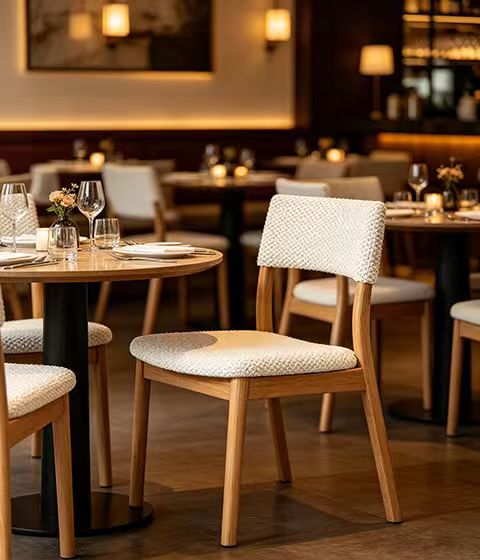
Cover padding level shapes how comfy seats feel. Airy cloths like linen raise joy during long sits. Body-fit shapes in wood or shaped plastic boost back help while keeping slim lines for tight spaces.
Dining tables should look nice and work well. Chairs must blend eye appeal with body ease too. This draws longer visits without tiredness.
The Effect of Color on Perceived Comfort Levels
Gentle shades like soft beige or light green make sit areas seem warmer. Bright shades liven rooms but need care to skip over-excitement. Smart use of highlight colors can gently guide paths in open designs. It keeps peace among different seat kinds.
Why Is Supplier Selection Crucial When Sourcing Dining Chairs?
Trusted suppliers give steady quality in big buys. This is key for outfitting work spaces where evenness shows pro standards.
Evaluating Key Supplier Attributes
Making skills decide if items last under hard use without weak spots. Check systems ensure sameness in material shine and hue over batches. This counts when copying brand colors across chains. Post-sale help also aids long upkeep needs in hospitality work.
Why Choose Tianjin Forest Technology Co., Ltd.?
Tianjin Forest Technology Co., Ltd. shines as a solid maker focused on top dining chairs for world business markets. Their lineup goes from solid wood builds like Neo 9024019 woven chairs to covered types such as Venn 9024018 PU fabric armchairs. All can change in chair materials and color picks per project needs. Our main office in Tianjin drives our growth. The firm blends green sourcing with exact handwork backed by strict quality checks that meet global rules.
Their wide ship network hits Europe, Southeast Asia, Australia, Japan, Korea, Russia, and more. It shows trust via steady output and quick custom aid fit for hospitality pros.
What Are Practical Tips for Maintaining the Visual Appeal of Dining Chairs?
Keeping both look strength and build steadiness calls for active care matched to each material kind in work seat groups.
Cleaning Techniques Based on Material Type
Mild cleaners keep wood shines long by stopping dull spots. Regular wipes stop rust on metal frames in damp air. Suction on covered seats clears dust that might harm cloth strands over time. For leather covers like on Venn models, regular oiling keeps softness. It stops splits from common use.
Periodic Inspection for Longevity Assurance
Fixing joints often stops shakes from repeat stress in full eateries. Re-doing worn spots brings back first glow without full swap costs. Swap base pads to shield floors from scrapes due to steady moves between shifts.
Conclusion: Integrating Color and Material Strategy for Lasting Impact
A strong way to pick dining chairs blends careful matching of hue sets with tough materials built for body ease. Reliable suppliers back this with steady quality in bulk. By weighing these points, you craft a meal experience that pulls your aimed crowd and lifts your eatery’s style. When tied into wider room ideas, these parts raise both brand core and guest joy at every meal in work dining spots.
Συχνές Ερωτήσεις
What factors should be prioritized when selecting dining chair materials for high-use environments?
Toughness, simple upkeep, spill proofing, build steadiness, and fit between frame power and cover type lead the list. These matter when picking gear for eateries with high guest flow.
How often should dining chair upholstery be replaced in commercial settings?
Based on crowd levels and material makeup, covers usually need swap every three to five years. This keeps clean rules and look sameness in sit areas.
Can custom-colored chairs enhance brand recognition in hospitality interiors?
Yes. Adding brand hues to seat designs builds visual core over many spots. It boosts recall among guests. This smart way links room design right to sales goals tied to keeping loyal customers.
