

What Makes a Coffee Table Easy to Ship? A Guide for Furniture Importers?
Shipping costs now rank among the biggest issues for έπιπλα importers. This is especially true when they bring in large items such as coffee tables. A nice look by itself no longer works. Buyers also want items that fit well inside containers. They want lower freight fees, less damage on the way, and goods that reach stores ready for quick handling. For both makers and buyers, a coffee table that ships with ease can lift profit margins and keep the supply chain running smoothly. Several elements decide how well a τραπέζι καφέ travels. These include the type of material, the total weight, the use of flat-pack build, the way it is packed, and the strength of the frame. Products that are planned with care cut logistics bills, lower breakage rates, lower handling time in warehouses, and raise buyer satisfaction once the goods arrive. This guide looks at the main design and build points that help coffee tables move across borders with fewer problems. It helps furniture importers check suppliers, improve shipping plans, and pick items that balance transport needs with solid quality and good looks.

What Factors Influence the Shipping Efficiency of a Coffee Table?
Efficient coffee table shipping rests on several linked points. These cover material choice, frame layout, and packing methods. Importers need to understand these points so they can keep the item strong, keep costs down, and still hold on to its look during every step of the journey.
Material Composition and Weight Considerations
The materials used in a coffee table shape both its shipping cost and how easy it is to handle. Light materials such as MDF, engineered wood, or aluminum frames cut freight charges because they lower the volumetric weight. Heavy hardwoods such as oak or ash give strong wear but raise shipping cost because they add more mass for each cubic meter. A good balance of strength and easy weight gives both steady use and fair prices in the transport chain.
Take the Emory Modern Coffee Table. It is a bold piece that brings fresh style to any living room. Its MDF version with a ceramic finish shows how man-made materials can look great while staying light enough for smooth transport. The Aras Modern Coffee Table offers another clear case. It blends modern lines with a touch of natural feel. The mix of tempered glass and wood bases keeps the table light in appearance without adding heavy freight loads.
Dimensions and Packaging Volume
Small overall sizes help cut cubic volume during travel. Knock-down or flat-pack builds let the parts come apart and fit into tighter cartons. This lowers dimensional weight and helps fill containers more fully. Adjustable or modular layouts add even more flexibility. They let several units sit together on standard pallets or inside the same container.
Durability During Transit
Strong build protects items from harm on the road. This protection keeps total landed cost low. Extra brackets, metal joins, and double-layer panels fight the stress that comes from long vibrations. Coatings that resist scratches keep surfaces safe when cartons rub against each other inside the container. Corner guards and foam pads add another layer of safety for edges that could chip.
The MDF version also stands up to damp air. This trait helps in homes near the coast. The same trait helps during sea travel when moisture levels shift. Pairing this strength with solid packing keeps returns and repair bills low once the goods land.
How Does Design Affect Shipping Costs for Coffee Tables?
Design choices shape how well a coffee table packs, stacks, and moves across long routes. A frame that is planned with care cuts wasted space and still stays steady during every handling step.
The Advantage of Flat-Pack or Modular Construction
Flat-pack models make final assembly simple for the end user. They also cut shipping volume because the parts can be stacked tight inside cartons. Modular tables that come apart in sections allow better pallet use. This lowers the freight cost per unit by raising the number of pieces that fit in each container.
This method fits current export habits. Modularity supports both growth and greener production. Our firm works in furniture export. We focus on high-grade goods and full service through a combined trade and build model. This combined setup lets makers shape flat-pack options to match each importer’s needs.
Shape and Structural Simplicity
Simple shapes such as rectangles, ovals, or circles stack with ease. They leave less empty space between units during travel. Shapes with odd curves often force loose packing that raises volumetric charges. Designs with legs that detach or frames that fold improve container use even more. They allow parts to nest inside one another.
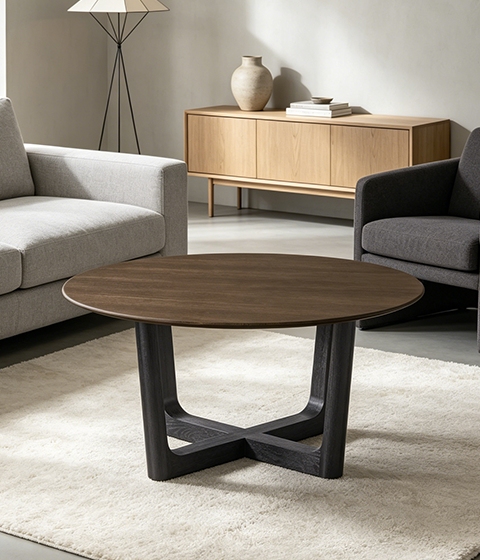
The Emory coffee table’s oval shape shows this idea in action. Its steady base keeps the table firm while the shape also helps the carton sit in the best direction inside export boxes.
Why Does Packaging Design Play a Key Role in Shipping Success?
Packaging works as both shield and space saver in global furniture trade. How it is built decides not only item safety but also the cost of moving the goods.
Protective Materials and Cushioning Techniques
Thick corrugated cartons give high crush strength. They handle the weight of stacked loads inside sea containers. Foam pads, bubble sheets, and edge strips stop scuffs on painted or glass surfaces. Films that block moisture are vital on ocean routes where humidity can swing sharply.
The scratch-resistant glass cleans fast. This trait also cuts the need for extra films in the carton. Fewer films mean lower material cost for each shipment.
Labeling, Barcoding, and Compliance Standards
Clear labels speed up customs checks by giving full trace data at every border point. Following ISPM 15 rules for wood packing avoids delays that come with untreated crates. Barcoded stock systems raise warehouse accuracy when large orders move to several markets at once.
How Can Furniture Importers Optimize Their Coffee Table Logistics Strategy?
A sound logistics plan joins product design with daily shipping steps from factory to store shelf. Importers who work closely with makers often see clear savings. They reach these savings through joint choices on materials, carton size, and shipping routes.
Selecting the Right Freight Mode and Route
Sea freight stays the cheapest choice for large orders. It offers lower cost per unit than air freight. This mode fits coffee tables aimed at mid-range retail outlets. Air freight is kept for fast restock needs or high-end lines that must reach stores quickly. Shared container plans let importers split space across several product codes. This lowers the cost per cubic meter for the whole load.
Smart port choice also shapes inland haul costs. Ports that sit near final warehouses cut last-mile fees and give steadier delivery times.
Collaborating With Manufacturers on Packaging Optimization
Early talks between importers and makers stop repeated redesign work that can push back delivery dates. Test shipments run together help both sides spot weak spots such as thin padding or oversized cartons before full output starts. Feedback based on real numbers then guides later changes. The aim is fewer damage claims and better fill rates inside each container.
We are a growing furniture maker and exporter. We have moved quickly into a leading place thanks to a strong supply chain and wide market know-how. This build flexibility supports steady improvements in packing that match each client’s shipping goals.
What Makes Tianjin Forest Technology Co., Ltd. a Reliable Coffee Table Supplier?
Tianjin Forest Technology Co., Ltd. sits in Tianjin, a key industrial center in northern China. The firm shows steady supply through its own production lines that match the needs of global buyers. Its main office in Tianjin acts as the central point for planning. The company runs several plants across northern China. These plants are placed to make best use of labor and material flow. This layout keeps quality high from the first board to the final packed carton.
The product range covers solid wood pieces such as dining tables and chairs. It also includes panel items such as MDF coffee tables with tempered glass tops. Each item is planned for smooth worldwide shipment under steady production rules.
How Should Importers Evaluate the Total Cost Beyond Freight Charges?
Freight rates often lead budget talks, yet other costs can decide real profit on each deal.
Assessing Hidden Costs in International Furniture Trade
Customs duties change with material type. Checking HS codes before shipment helps avoid surprise fees at the arrival port. Insurance cover limits money loss if breakage or theft happens during the trip. Warehouse time also adds to landed cost. Long storage cuts margin, especially when stock moves with the seasons common in home décor markets.
Conclusion: Aligning Product Design With Shipping Efficiency Goals
Importers who want an edge in global furniture markets need coffee tables that ship with ease. These tables combine light yet strong materials such as MDF or tempered glass with modular builds that allow compact cartons. The cartons must still meet world packing rules. Close work between makers such as Tianjin Forest Technology Co., Ltd. and overseas buyers leads to smooth logistics. The result is lower shipping cost per unit while the item keeps its build quality and end-user satisfaction.
Συχνές Ερωτήσεις
1. What is the most cost-effective way to ship coffee tables internationally?
Sea freight remains the most economical option for bulk orders due to lower per-unit rates compared to air transport.
2. How can importers minimize damage during long-distance transportation?
Using reinforced packaging materials, moisture barriers, and proper cushioning significantly reduces risk during transit.
3. Why are flat-pack coffee tables preferred by global buyers?
Flat-pack designs save space in containers, lower shipping costs, simplify handling at destination warehouses, and appeal to modern consumers seeking easy assembly solutions.
