

Why Do PU Dining Chair Seats Peel or Crack, and What Should Buyers Check Before Ordering?
A PU-upholstered dining chair can offer a smooth, easy-to-wipe seat, but surface peeling or cracking can shorten its useful life and lead to customer complaints. Two chairs may look almost identical at delivery yet use different upholstery constructions, coatings and cleaning instructions. Buyers should not assume that every material described as “leather” is genuine leather or that every PU finish has the same performance. This article explains common damage patterns, the information to request from a supplier and practical checks for dining chair samples before a wholesale order.

Why Does PU Upholstery Peel or Crack on Dining Chairs?
PU upholstery usually refers to a polymer-coated material, but its composition and backing vary. The precise failure mechanism cannot be identified from appearance alone.
How can repeated flexing affect the seat surface?
Every time someone sits, the upholstered surface bends over the cushion and seat edge. Repeated flexing may expose weak points in a coating or its bond with the backing. Cracks often become visible on frequently folded areas, while peeling can show as a layer separating from the material underneath. Such damage is not proof of one particular cause; a supplier should examine the affected construction before concluding whether coating, bonding, use or cleaning was responsible.
Why do heat, moisture and cleaners matter?
Temperature, sunlight, humidity and cleaning products may change the appearance or flexibility of some upholstery finishes. The effect depends on the formulation and care instructions. Harsh cleaners or repeated wetting can create avoidable risks, yet it would be inaccurate to claim that one cleaning method is safe for every PU chair. Request the supplier’s approved cleaning procedure for the exact upholstery used and test it on a sample when appropriate.
What Damage Should Buyers Look for on a Sample?
A systematic visual check can reveal finish problems before they are repeated across hundreds of chairs.
Inspect the high-contact and folded areas.
Look closely at the front seat edge, corners, upholstery folds and places where users are likely to grip or brush the material. Check for fine cracks, flaking, discoloration, sticky patches and inconsistent sheen. Examine the same areas under the same lighting on several samples. A clean center panel does not guarantee that the folded edges and stitched sections have been finished equally well.
Check stitching and the transition to the wooden frame.
Review seam spacing, loose threads, needle holes and whether the upholstery is stretched unevenly around the cushion. Check where the seat meets the wooden frame for rubbing or a pinched edge. The issue may arise from upholstery tension, cushion geometry or assembly details rather than from the PU layer alone. Record any recurring marks with photographs and identify their location so the supplier can investigate a repeatable defect.
Which Material Details Should Buyers Confirm Before Ordering?
Descriptions such as PU, faux leather and leather-look are not sufficiently precise on their own for a controlled furniture purchase.
Request the actual upholstery construction.
Ask for the face material, backing type, coating description, cushion construction and an identified approved swatch. Confirm whether the quotation and sample use the same upholstery. If a webpage calls the seat “leather” in one paragraph and “PU fabric” elsewhere, do not resolve that discrepancy by assumption. Get the supplier to confirm the current specification in writing and use the confirmed term in product listings and purchase documents.
Ask for relevant test reports, not broad durability promises.
Where the target market or buyer specification requires performance evidence, request test methods, results and report dates for the exact supplied upholstery. Areas of interest may include abrasion, flexing, color transfer and resistance to the cleaning agents used in the intended setting. A report for a different color, finish or backing should not automatically be treated as proof for the ordered version. Avoid claims such as peel-proof or scratch-proof unless they are supported by applicable evidence.
How Can Buyers Check Sample Performance Without Damaging It?
A practical sample trial should resemble ordinary dining use while leaving formal compliance testing to an appropriate laboratory when required.
Compare appearance before and after routine use.
Photograph the seat and edge folds before an agreed sitting trial. Use the chair normally within the supplier’s stated load limits, then check the same areas for new creases, flaking or surface changes. Inspect more than one unit so a single assembly variation does not drive the whole decision. Do not scrape the coating with a sharp object or apply an unapproved solvent as a substitute for a recognized performance test.
Verify the care method intended for customers.
Clean a sample with the supplier-approved method and observe it after drying. If the furniture will be used in restaurants or short-stay accommodation, explain the real cleaning routine to the supplier and ask whether that procedure has been evaluated. The accepted instructions should travel with the product so consumers do not have to guess which chemicals, cloths or frequencies are appropriate.
How Should Retailers and Importers Reduce PU Seat Complaints?
A consistent product specification and clear after-sales record make it easier to distinguish isolated handling damage from a pattern in a shipment.
Approve the swatch and construction together.
Retain a signed or photographed upholstery swatch, an assembled chair sample and details of the seam and edge finish. Confirm batch color expectations and packaging that prevents finished seats from rubbing against hardware or wooden parts during transit. Inspect chairs from different cartons rather than relying solely on the first unit opened. If defects appear, record batch identity, location on the seat and time of discovery before requesting corrective action.
Keep product descriptions accurate.
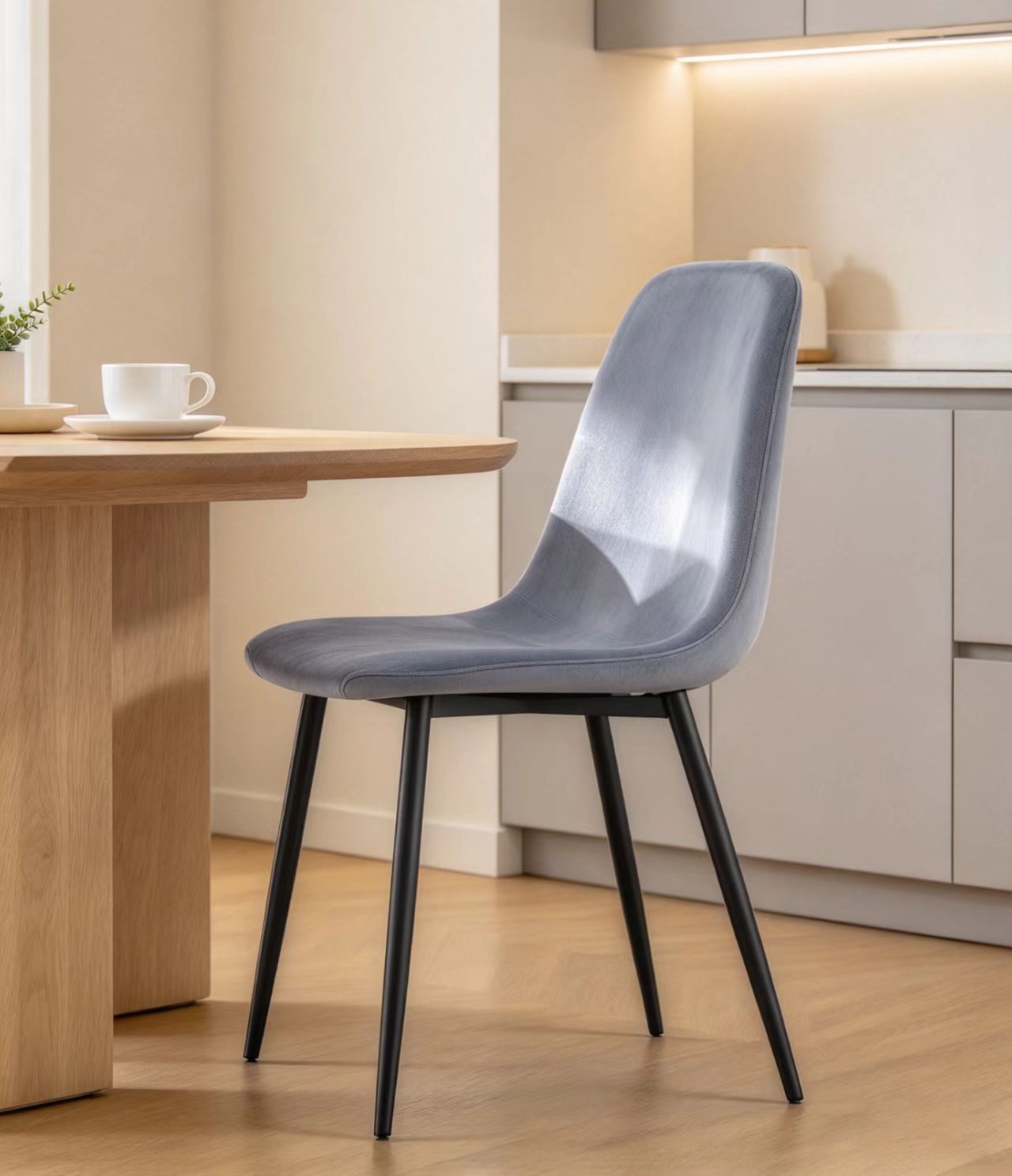
В Venn 9024018 dining chair is presented with an ash-wood frame, a Y-shaped back and a dark frame with an upholstered seat. The product listing uses both PU-fabric and leather wording, so purchasers should verify the ordered upholstery rather than treating the two terms as interchangeable. The chair material selection guide can help compare the visual choices available across a range, but it does not replace a model-specific material approval.
Why Choose Forest Furniture as a Furniture Supplier?
Лесная мебель is a Tianjin-based furniture manufacturing and export supplier serving retailers, wholesalers, online sellers and hospitality-related buyers. Its dining chair collection includes upholstered and solid wood designs; buyers can request current material options and specifications for the intended order.
Вывод
PU dining chair peeling and cracking are symptoms that require material- and construction-specific investigation. Inspect high-flex areas, seams and frame contact points, confirm the actual upholstery specification and ask for relevant test results where needed. For wholesale orders, approve the swatch and full chair together, then compare samples from different cartons. Clear care instructions and accurate descriptions help buyers set expectations without making unsupported durability claims.
Часто задаваемые вопросы
These answers address common questions about the specific furniture and purchasing checks discussed above.
Does PU upholstery always peel after a short period?
No. Service life varies with the material construction, frequency of use, environment and care. A photo alone cannot establish expected durability.
Is PU upholstery the same material as genuine leather?
No. PU upholstery generally refers to a coated or synthetic material, while genuine leather is animal hide. Confirm the actual upholstery specification for the chair being ordered.
What should an importer request before approving a PU dining chair?
Request the identified upholstery swatch, full chair sample, care instructions, relevant test evidence and written confirmation that the quoted material matches the delivered product.
