

Eco-friendly and sustainable furniture: how to choose a wooden coffee table
Before choosing a wooden coffee table, it is important to know what makes furniture eco-friendly and sustainable. Sustainability in furniture making extends past mere appearance. It includes careful sourcing, fair production methods, and protection of the environment. These elements help reduce harm to nature. At the same time, they encourage use that lasts for years.

Key Characteristics of Sustainable Furniture
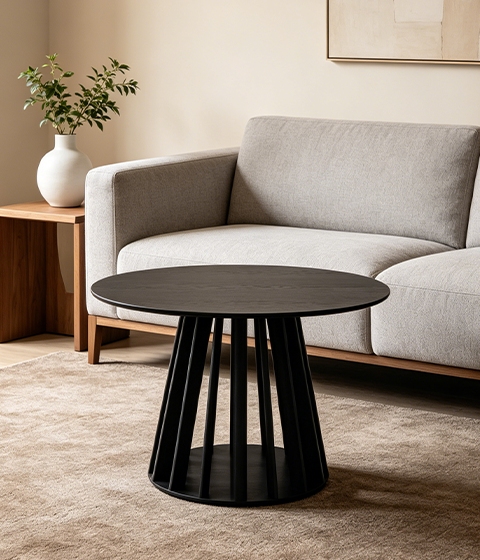
Sustainable furniture features wood that has certification. This wood comes from forests managed with care. Such practices keep variety in nature and allow forests to grow back. Finishes and glues with low emissions are essential. They cut down on harmful substances inside homes. This leads to better living spaces. Strength is another major factor. Designs that do not go out of style can handle regular use. They make the item’s life longer. As a result, less waste builds up over the years. Take the Emory Modern Coffee Table as an example. It shows this idea clearly. Its smooth, wide surface is available in warm finishes for wooden coffee tables or a sharp white lacquer for modern white coffee tables. This surface fits your personal taste. It highlights how adaptable designs stay useful for a long time.
The Role of Material Certification in Sustainability
Certification of materials offers clear tracking and responsibility in supply chains. FSC (Forest Stewardship Council) and PEFC certifications make sure wood comes from forests run under firm rules for the environment and society. These certified materials guard natural systems. They also support just work conditions in all steps of production. Openness boosts trust among buyers. It lets them confirm claims about sustainability with written records from the supply chain.
How Does Wood Type Influence Sustainability and Aesthetics?
The selection of wood kind has a big effect on both eco outcomes and visual draw. Every sort of wood, from hardwood to softwood or reclaimed, brings its own growth patterns, lasting qualities, and surface looks. All these influence the effect on the surroundings.
Comparing Hardwood and Softwood Options
Hardwoods like oak or walnut are valued for their long-lasting nature. However, they need more time to mature. This can add stress to the environment if not obtained properly. Softwoods such as pine or cedar develop quicker. Therefore, they act as options that renew easily when cut in a green way. Still, they might call for extra layers of protection to last well. Reclaimed or recycled wood proves to be a fine pick. It lowers waste and keeps the wood’s true charm. This method matches the goals of a circular economy. The Reese Extendable Dining Table illustrates this harmony. It mixes modern purpose with lasting grace. In this way, it reveals how hardwood from sustainable sources can deliver both power and charm.
The Impact of Local vs Imported Wood
Wood sourced from local areas cuts down on emissions from transport. It also bolsters local economies via supply chains that stay close by. In contrast, exotic woods imported from elsewhere tend to have larger carbon traces. This happens because of shipping over great distances. Learning about how forests are managed in your region aids in judging if local cutting follows green rules. Thus, it ensures that picking materials goes along with duty toward nature.
What Design Elements Enhance Both Functionality and Sustainability?
Sustainable design combines skilled making with awareness of the environment. It produces items that hold up in body and look over time.
Craftsmanship Techniques for Longevity
Classic joinery methods, such as mortise-and-tenon building, lessen the reliance on man-made glues. They also strengthen the overall build. Careful hand work cuts back on scraps by using materials in the best way during creation. Structures that can be repaired let people swap out parts. They avoid tossing the whole item. This broadens the time it can be used, often for decades. The Alton Round Dining Table displays this belief. It is built from high-grade solid wood for enduring strength. It joins handmade excellence with basic design for performance that lasts.
Eco-friendly Finishes and Treatments
The ways finishes are applied have a strong say in how sustainable the results are. Oils from nature or varnishes based on water keep the wood’s natural feel. They do so without bringing in dangerous chemicals to spaces indoors. Coatings cured by UV light improve how tough the surface is. Meanwhile, they keep emissions down when put on. Steering clear of volatile organic compounds (VOCs) helps air quality inside even more. This is an important point for buyers who care about the environment and want home setups focused on health.
Why Is Lifecycle Thinking Essential When Selecting a Coffee Table?
Considering the lifecycle looks at effects on the environment from pulling raw materials to throwing away at the end. It makes sure a full review of sustainability happens through the whole time a product exists.
Evaluating Durability and Maintenance Needs
Builds that are sturdy lower how often you need to buy new ones. This saves supplies as time goes on. Surfaces easy to wipe clean stop the need for early touch-ups on finishes. They keep the sight appealing even after many years in use. Designs that are modular allow changing parts rather than the entire thing. This is a useful way that fits with aims of a circular economy. The Emory Modern Coffee Table shows this way of thinking. Its easy-to-clean surfaces hold off coffee rings and fingerprints. This proves how careful planning helps use that goes on longer.
End-of-Life Considerations for Wooden Tables
When their lifecycle ends, materials that break down in nature make the process of decay straightforward. They do this without letting poisons out into the surroundings. Fittings of metal that can be recycled may go into fresh goods. This supports the loop in the system of making. Options for upcycling, for example, changing old tables into units for shelves or benches, stretch the value of materials past their starting uses.
How Can Consumers Verify Ethical Production Practices?
Production that is ethical covers more than just care for the environment. It also involves fairness in society and clear views into how operations run in making setups.
Indicators of Responsible Manufacturing Processes
Factories that use energy from renewable sources show less carbon use than standard making sites. Handling waste well makes sure leftovers and side products from building get used smartly in stages of creation. Sticking to rules for work on a global level shows a business’s promise to the good of workers. This stands as a main support for ethics in sustainability across trades worldwide.
The Importance of Supply Chain Transparency
Networks of suppliers that can be followed confirm claims of sustainability. They do this by noting down every part from the forest to the ready product. Tools in digital form that are new, like blockchain, improve how accountable buying systems are. They supply records of deals that cannot be changed. These are open to buyers and those who check, equally. Talk that is open between brands and customers creates trust. It also strengthens the joint duty for patterns of buying that sustain.
Why Choose Tianjin Forest Technology Co., Ltd as Your Coffee Table Supplier?
Our company works in exporting furniture. We commit to offering products and services of high quality via a model that joins trade and making. This joined method lets Tianjin Forest Technology Co., Ltd keep strict watch over how sourcing is done. At the same time, it guarantees steady quality of products in markets all over the world.
Commitment to Environmental Responsibility
Our aim is to create a firm system for management and a process for production that runs smoothly. This gives our customers goods and services of the best kind. It aids growth that sustains. The company places FSC-certified timber at the top. This timber is obtained from forests managed with responsibility. We make use of technologies that are ahead to reduce waste in all stages of handling. New ideas that keep coming stay at the heart of what we do. We put effort into making energy use better. This lines up with marks for sustainability on the world stage.
Product Quality and Global Reach
Our headquarters in Tianjin acts as the main center for our growth. From this key spot, Tianjin Forest Technology Co., Ltd arranges a strong set of connections. It covers factories in northern China. These are set up for using resources well and getting good output from labor. Our partners cover the world. We have a wide range of customers in areas such as Europe, Southeast Asia, the Middle East, Australia, the UK, South Korea, Japan, Russia, and further. Every wooden table shows looks that are fine-tuned. It pairs with build that is sound for use over long periods in various places. This serves as proof of standards for quality control that stay the same. Our teams for research and development, which are devoted, stay in tune with trends that change in design for sustainable furniture.
Conclusion: Building a Sustainable Future Through Conscious Furniture Choices
Choosing a wooden coffee table that is eco-friendly calls for finding a balance between how it looks and duties that are ethical. This balance spans the full lifecycle of the item. It goes from managing forests to use each day and then to chances for recycling or upcycling at the end. When buyers put first materials with certification, methods of craftsmanship that are responsible, finishes with low effect, supply chains that are open, and ways to build that last as shown by makers like Tianjin Forest Technology Co., Ltd., they help in a real way. They shape an industry for furniture that is more sustainable on a global level. This industry is based on being accountable and bringing in new ways.
FAQs
What certifications should I look for when buying a sustainable wooden coffee table?
Look for FSC or PEFC certification labels confirming that the wood originates from responsibly managed forests adhering to strict environmental guidelines.
How can I maintain my wooden coffee table sustainably?
Use natural cleaning solutions free from harsh chemicals; apply plant-based oils periodically; avoid excessive moisture exposure to preserve finish integrity over time.
Are reclaimed wood tables truly sustainable?
Yes—reclaimed wood reduces demand for newly harvested timber while extending material life cycles through reuse initiatives that embody environmentally sound design principles within modern interiors focused on sustainability excellence.
