

Private-Label Bar Stools: An OEM/ODM Customization Checklist for Furniture Retailers
Private-label bar stools allow furniture retailers to build a distinct product line. They also help lower direct price competition. Furthermore, they let businesses target certain shopper groups much better. However, a good OEM or ODM project requires more effort than just putting a logo on a current item. Buyers have to figure out their exact market. They must pick the right materials. They also need to check sizes, pass samples, sort out packing, and set quality rules before factory work begins. This guide gives a useful path from a fresh idea to a finished retail collection.
What Should Retailers Define Before Contacting a Supplier?
A detailed plan makes price quotes much better. Before you talk to a maker, you need to decide a few things. Figure out where the stool will go on sale. Think about who will actually sit on it. Also, decide on the final retail price you need to hit.
Who Is the Target Customer?
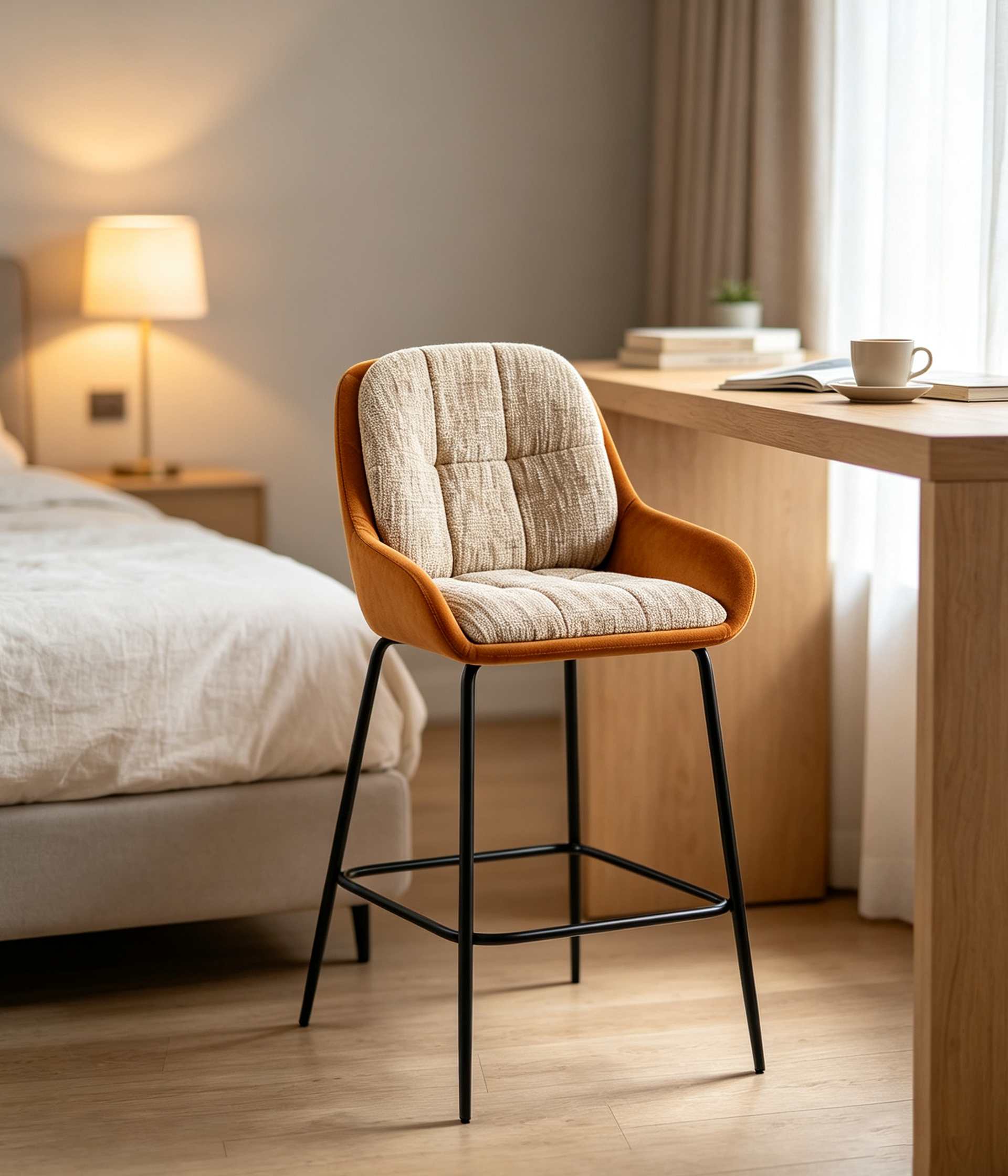
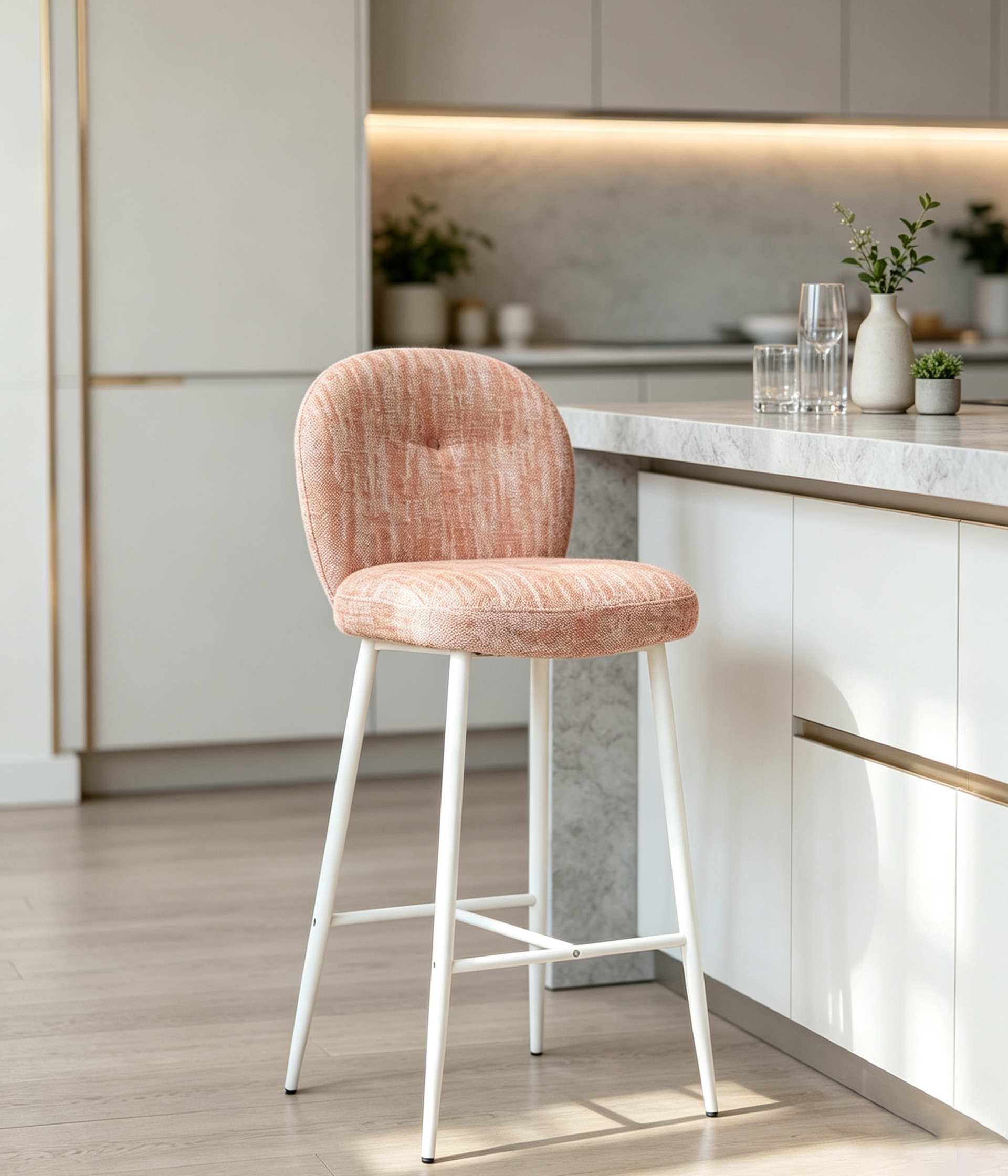
A small stool without a back might be great for tiny flats. On the other hand, a soft seat with armrests could draw in buyers who want a cozy kitchen island. At the same time, hotel and cafe buyers might care most about tough builds and quick cleaning.
Put your wanted look, price goal, sales method, guessed order amount, and rival examples into your plan. These facts let the supplier suggest a good starting model for your project.
Is OEM or ODM the Better Route?
OEM work normally begins with a factory’s current model. Buyers can swap the cloth, surface look, logo, tags, or boxes. This choice is usually quicker. It also carries less risk.
ODM work fits better if you want a totally new shape. It is also good for a changed backrest, a special frame, or a matching set of items. This path normally takes more time for making samples and planning.
Which Product Details Should Be Customized?
Once you lock in your business plan, change your idea into clear rules. Write these details down in a proper spec sheet.
Which Dimensions and Functions Matter?
Make sure to check if the stool fits a counter or a tall bar. Write down the seat height, overall size, footrest spot, and the space under the table. Also, decide if the item needs a backrest, armrests, spinning parts, height changes, or the ability to stack.
Do not say yes to sizes just by looking at pictures. Tiny shifts can change how nice the seat feels. They also affect box sizes, warehouse space, and how many items fit inside a shipping container.
Which Materials, Colors, and Finishes Fit the Range?
Name the frame material and the seat build. Describe the foam softness, outer cloth, wood color, metal look, and thread style. These picks have to line up with your price goal and daily use needs.
Ask for real material bits whenever you can. Words like “beige,” “walnut,” and “black” can mean very different colors in real life. The passed sample or signed color bit must serve as the main guide for factory production.
How Should Branding and Packaging Be Planned?
Private-label worth goes past just the physical stool. Your brand marks and boxes change how shoppers view the item. They also affect moving, showing, and shipping the goods.
Where Should the Retail Brand Appear?
Your brand marks can go on hang tags, wash labels, and box prints. They can also appear on guide papers, barcode stickers, and parts bags. The logo needs to boost your store’s image. However, it should not make the furniture look too cheap or loud.
Hand over final designs, barcodes, item codes, safety notes, and build guides before the box print deadline. Buyers must also check the language rules for every country they sell in.
Is the Packaging Suitable for the Sales Channel?
Normal store sales might care most about easy stacking and clear box text. On the other hand, online sales need much tougher boxes. These must stop drops and scratches during shipping.
Check if the stool will ship fully built, in flat pieces, or half-built. Look over box sizes, inner foam, parts bags, build steps, and container totals. A box drop test before big production can stop broken items and angry shoppers.
What Must Be Approved Before Mass Production?
A price quote is never a full factory guide. Buyers need a strict checking process. This must cover the sample, design details, boxes, check methods, and business rules.
What Should Be Checked on the Sample?
Look closely at the design, balance, soft feel, sizes, and color match. Also check the sewing, footrest spot, build time, and screw fit. Put the stool together using only the given paper guide. Write down every single fix you need.
Every change needs to go into a new spec sheet. Do not leave these details just in emails or quick chats. You must keep the final passed sample safe. Use it as the main guide for checking the final goods.
Which Commercial Terms Should Be Confirmed?
The buying paper must show the lowest order amount and the single item price. It must also list sample fees, factory time, pay rules, allowed errors, box rules, spare parts plans, check dates, and boat terms.
The paper must also state how to fix bad items, missing parts, or late design shifts. You must check any local fire, chemical, tag, or safety rules before the factory buys raw materials.
Why Choose Tianjin Forest Technology Co., Ltd.?
A good partner should mix many item types, custom help, smooth factory work, and shipping skill.
What Can the Company Offer Retailers?
Tianjin Forest Technology Co., Ltd. makes and ships solid wood, soft seat, metal-frame, and board furniture. They serve stores, bulk buyers, web shops, and hotel groups. Their bar stool line has soft metal-frame items and solid-wood woven styles.
The firm gives many custom choices. These cover colors, materials, boxes, hang tags, and tough shipping cartons. This makes them a great B2B bar stool supplier for private-label plans.
Buyers can pick a ready item for OEM changes. They can also talk about bigger ODM shape shifts. Clear rules and passed samples stay vital in both paths.
Conclusion
A winning private-label bar stool plan starts with a known shopper. It ends with strict factory rules. Buyers need to pick the right path. They must pass materials and sizes. They also need to test boxes, look at samples, and write down business rules.
This way cuts down buying risks. It makes items that fit the store’s brand, sales method, user, and price spot. Teaming up with a skilled maker like Tianjin Forest Technology Co., Ltd. can help a lot. It makes talking, item planning, box sorting, and new orders run much smoother.
FAQs
What Is the Typical MOQ for Custom Bar Stools?
The MOQ changes based on the item, material, box, and custom level. Small tweaks to a current design might allow a smaller order. A totally new shape or special tool needs more. Buyers should ask for the MOQ for each design and color, not just the whole order total.
How Long Does an OEM/ODM Project Take?
The time relies on sample fixes, material stock, item tests, box checks, and order size. Changing a ready item is normally faster than making a fresh product. Buyers should ask for clear times for samples, box checks, and big production.
Can Retailers Mix Colors or Models in One Order?
Some makers let you mix colors or designs. However, base amounts might apply to every single type. Check these rules before you lock in your product line. Too many small-batch choices can raise prices. They also make buying materials harder and slow down factory work.
