

Why Choose Solid Wood Tables: A Comparison with Other Materials
Solid wood tables stand out in the furniture world because of their genuine nature, skilled workmanship, and reliable performance over time. Their natural material features make them a top pick for designers and experts who want both visual appeal and solid build quality.
The Material Composition and Structural Integrity
Solid wood tables use only real timber. This gives them real authenticity unlike fake options. Each piece of wood shows its own grain patterns and color differences. No man-made materials can copy these. The tight cell structure in strong woods like oak, walnut, or ash provides steady support. It holds up well even with regular use.
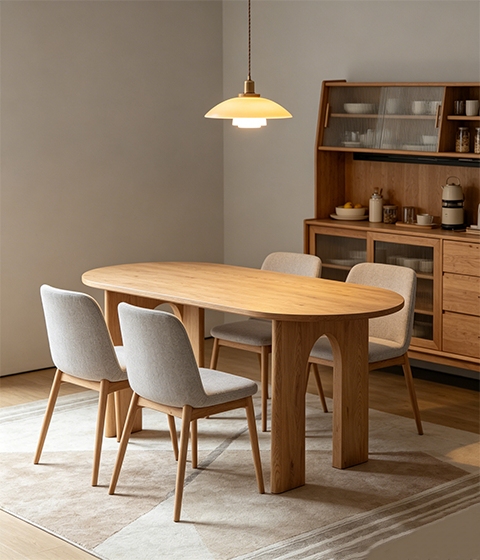
The Reese Extendable Dining Table blends current features with classic style. It has a simple rectangular shape made from top-quality solid wood. This shows how good hardwood boosts both toughness and design options. Unlike mixed boards, solid wood keeps its natural power. It does not have fillers or glues that might fail as years pass.
Comparing Solid Wood with Engineered Wood and Veneer Tables
Engineered wood tables depend on pressed fibers or particleboard centers. These can split or bend after long contact with water or heavy loads. Veneer tables look nice at first. But they use thin layers of real wood stuck to cheap bases. This limits their strength against refinishing or physical strain.
Take the Lior Semi-Circular Dining Table. It mixes natural charm with practical modern use. The table uses an eco-friendly MDF core and real-like paper veneer that copies wood grain. This points out how veneer tables copy the appearance of true timber. Yet they miss its depth and lasting power. On the other hand, solid wood lets you sand, refinish, and fix it many times. It stays useful and attractive for years.
How Do Solid Wood Tables Perform in Terms of Durability and Maintenance?
Durability shows the real worth of solid wood furniture. Experts in hotels or home design often choose materials that handle heavy daily wear. They do this without losing their good looks.
Longevity and Structural Strength
Well-made solid wood tables last a very long time. They resist damage naturally. This makes them great for busy spots like dining areas or business places. You can fix small scratches or dents by sanding or refinishing. There is no need for a full swap. Engineered surfaces seldom offer this benefit.
The Alton Round Dining Table brings new style to modern spaces. It features a smooth round shape and three round legs. All made from high-grade solid wood for strong endurance. This example proves how skilled work plus fine material choice creates pieces that last like family treasures.
Maintenance Requirements Compared to Other Materials
Caring for solid wood means regular polishing. This keeps the shine and stops the surface from getting dry. Laminate or metal tables lose their coating as time goes on. But wood surfaces improve with fixes like oiling or waxing. You must control humidity. Too much water can lead to swelling or splits. Still, these issues stay under control with good sealing methods.
How Does the Aesthetic Value of Solid Wood Tables Influence Design Choices?
Solid wood offers more than just strength. Its visual depth also helps shape indoor spaces in big ways.
The Role of Grain Patterns and Natural Finishes in Design Appeal
Each wood piece has clear grain lines. These tell the story of its natural roots. So every table looks one-of-a-kind. Designers value this real quality. They use it to create rooms that feel warm and natural, not fake or even. Natural finishes highlight these patterns. They avoid fake shines. This creates a simple but rich look.
Meet the Kean Versatile Dining Table. It joins easy design with natural grace. Its even surface shows how steady grain flow improves visual balance in today’s setups.
Adaptability Across Different Interior Styles
Solid wood links old skills with fresh simple styles. It works well with metal parts in industrial looks or soft fabric chairs like Neo 9024019 solid wood chairs for dining table. Its flexibility fits many decor types. These range from clean Scandinavian looks to cozy rustic vibes. You can adjust stains to match light and colors.
How Do Environmental Considerations Affect Material Selection?
Sustainability now guides buying choices in building and interior design fields.
Renewable Sourcing and Eco-Friendly Processing
Hardwoods gathered with care help forests grow back. They also keep nature in balance. Makers now use finishing steps with low pollution. These cut down on harmful gases released during making. Getting wood from nearby spots lowers travel pollution. This matches product life with worldwide green aims.
Our company handles furniture exports. We focus on top products and help through a full trade and making system. This setup lets us follow good sourcing rules across suppliers. At the same time, we keep steady green rules.
Comparison with Synthetic or Metal Alternatives
Making metal furniture needs lots of energy from digging materials. This creates bigger pollution marks than wood work. Plastics add much to waste piles. They recycle poorly. Solid wood breaks down naturally at the end. It gives a loop-based choice that fits green design plans.
How Does Cost Relate to Long-Term Value?
Upfront cost often sways buying choices. But looking at full life cost shows the real money smarts of solid wood pieces.
Initial Investment vs Lifecycle Cost Efficiency
Top hardwood items cost more at the start than MDF or veneer picks. But their long life cuts down on repeat buys that cheap items need. You can refresh old surfaces cheaply by refinishing. This beats full swaps for coated goods that peel or chip.
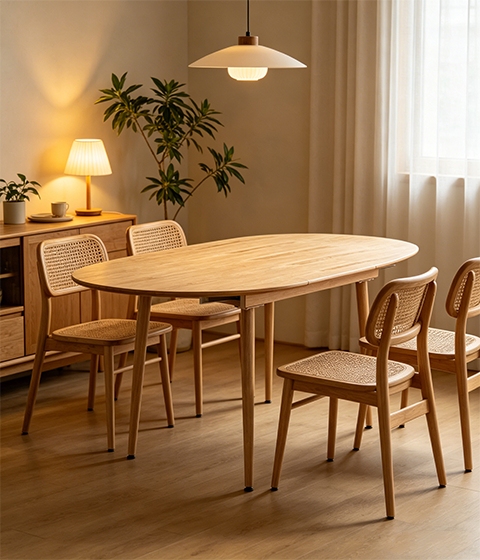
The Reese Extendable Dining Table blends modern use with lasting grace. Its pull-out part adds practical value. It also boosts long-term worth through flexible style. This marks it as smart buy furniture.
Resale Potential and Perceived Value Retention
Fine solid wood tables keep their visual draw as time passes. They gain a deep color from age, not clear damage. Buyers see this change as adding personality, not cutting value. Custom work raises resale appeal. In used markets, real quality brings high prices.
Why Tianjin Forest Technology Co., Ltd. Is a Reliable Supplier of Solid Wood Tables
Tianjin Forest Technology Co., Ltd. builds its name on exact building methods. It also uses green-focused work in the world furniture scene.
Commitment to Quality Manufacturing Standards
The company picks top hardwoods from approved forests around the globe. It uses modern drying in kilns to keep sizes stable against weather changes. Strict checks at each step ensure even quality in groups. This matters for business buyers who need trust in large orders.
Our main office in Tianjin drives our growth. This key spot allows smooth control of making. It supports steady rules for orders from other countries.
Sustainable Practices and Client-Oriented Service Approach
With green finishing tools that meet world green standards, Tianjin Forest Technology cuts pollution. It keeps wood strong. Tailor choices fit builders’ needs for size, color tone, or joint style. This matches ideas with making. Solid shipping builds trust. It ensures on-time arrivals everywhere.
Key Insights on Choosing Solid Wood Tables Over Other Materials
Picking solid wood tables comes from smart thinking. It focuses on lasting time, real touch, green duty, and steady visual fit. These are key needs for experts creating green yet classy indoor spaces. In these, style and use join well.
FAQs
What types of wood are most suitable for crafting durable solid wood tables?
Hardwoods such as oak, walnut, maple, and ash are preferred due to their density, resistance to wear, and ability to maintain structural integrity over time.
Are solid wood tables more affected by environmental factors like humidity?
Yes, natural timber responds to moisture fluctuations; however, proper sealing, controlled indoor environments, and regular maintenance minimize such effects effectively.
How can professionals verify the authenticity of a solid wood table?
Authentic solid wood exhibits continuous grain patterns through edges and undersides—unlike veneer surfaces where patterns repeat or stop abruptly at joints.
